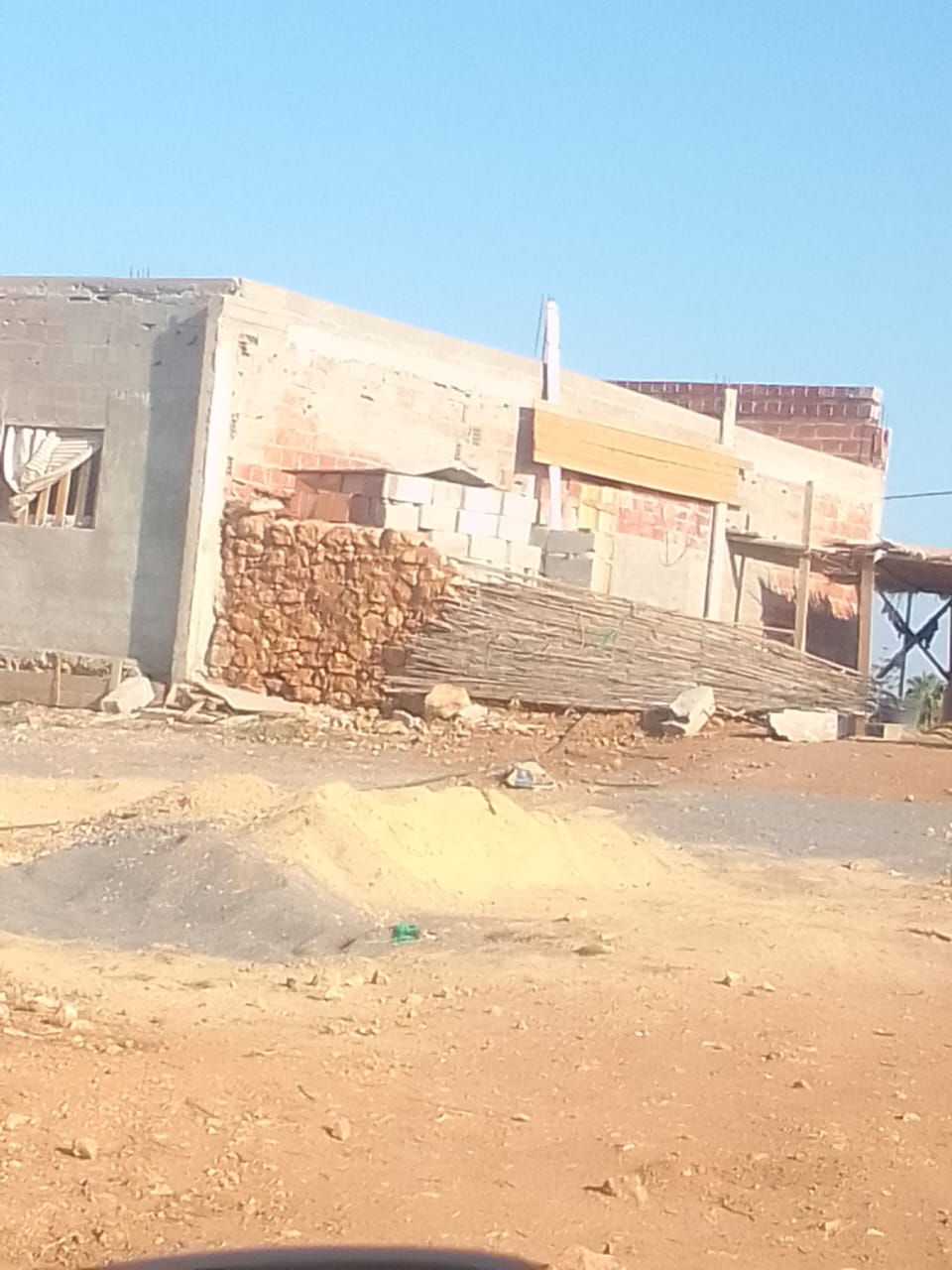
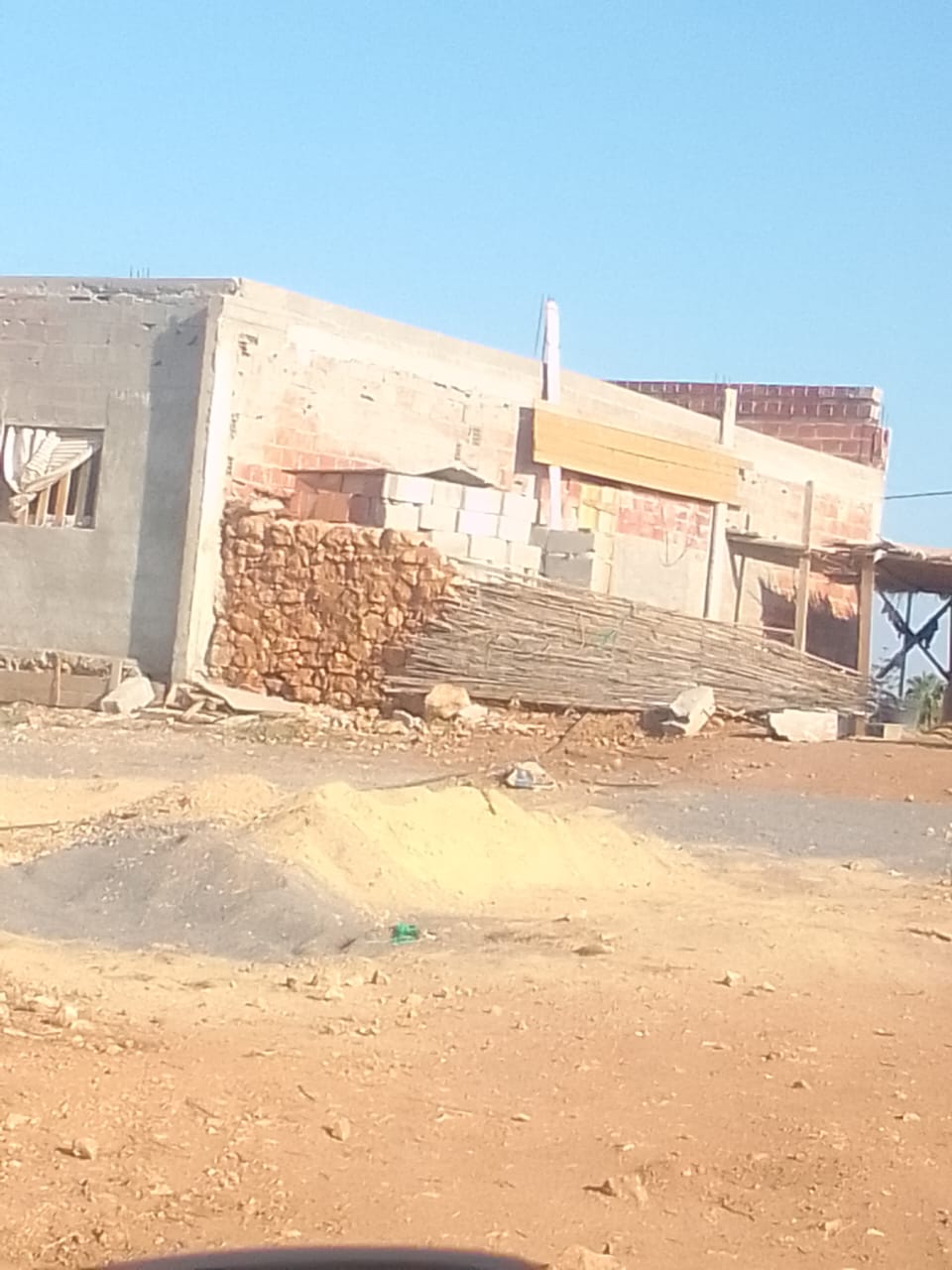
Nearly one month after MMNEWS first reported on the disputed construction site in Oulad Settout, Nador province, the complainant says the work has continued. The person carrying out the construction has not been found liable by a court, and MMNEWS has not seen an official violation report declaring the site unlawful. Those distinctions matter.
The file previously reviewed by MMNEWS included an administrative claim dated August 24 and a bailiff’s report drawn up on September 15. The latter recorded that construction activity was taking place. By itself, however, it did not determine ownership of the land or establish whether a valid building permit existed.
The complainant now says a formal administrative complaint was filed with the housing and urban-planning services and that the local authority was informed. As of publication, no written reply, stop-work order or official violation report had been communicated to the complainant.
That does not prove that no internal action has been taken. It does require the authorities to explain what they have done.
The court date moved; the physical situation may not have
The complainant has also sought urgent judicial relief. The first hearing, set for October 13, was postponed until October 20.
The adjournment says nothing about the merits of the dispute. Yet it highlights the practical stakes: every additional day of construction can change the land and make any future remedy more difficult or expensive.
The court must decide the legal dispute independently. Administrative services nevertheless retain their own responsibilities. Checking a building permit, inspecting an active site and recording a suspected planning violation are not the same as deciding who owns the property.
Morocco already has legal enforcement tools
Morocco’s Constitution guarantees property rights and commits the Kingdom to protecting the legitimate rights and interests of Moroccan citizens abroad.
Law 66.12 strengthened the enforcement framework for planning and construction violations. Once an authorised inspector or judicial police officer records a violation on an active site, Article 67 of the amended urban-planning law provides for an immediate stop-work order. If that order is ignored, the law allows measures that can include the seizure of equipment and materials, closure of the site and official seals.
Those powers depend on an authorised finding. MMNEWS cannot therefore label this particular site illegal before an official report or court decision. But the law’s existence makes the unanswered question more pressing: was the site inspected, and what was found?
Eight questions for Nador’s authorities
- Was a building permit issued for the disputed works?
- Do the site and plans match any authorisation granted?
- Has an official inspection taken place since the August 24 complaint?
- Did an authorised officer draw up a violation report?
- If a violation was found, was an immediate stop-work order issued and enforced?
- Was the complaint transmitted to the municipality, urban agency, province or public prosecutor?
- Were interim protective measures considered before the October 20 hearing?
- Why, according to the complainant, has no traceable written response been provided?
These questions do not presume anyone’s guilt. They ask public bodies to show that they performed their duties.
Diaspora protection must be more than a promise
Morocco calls on its diaspora to invest, save and remain engaged with the country. That relationship depends on legal certainty. Distance makes property owners abroad especially vulnerable: they cannot monitor land every day, administrative procedures take time, and repeated travel is costly.
Equal protection does not mean special treatment for Moroccans abroad. It means an administration able to respond quickly, impartially and in writing when a citizen reports a possible threat to a property right.
The Justice Ministry has previously described a national effort to combat the unlawful appropriation of other people’s property. The Interior and Urban Planning ministries have also issued joint circulars on inspectors and the enforcement of construction rules. The central problem raised by Oulad Settout is therefore not the absence of legislation, but whether it is being applied locally.
If the works are authorised and the builder has the legal right to use the land, officials should say so and produce the relevant documents. If a violation is found, the statutory procedures should follow. If an official failed to perform a mandatory act, the competent bodies should examine administrative or disciplinary responsibility. Any criminal liability remains for prosecutors and courts to determine.
The October 20 hearing is the next judicial stage. It must not become an excuse for administrative paralysis. In a state governed by law, concrete should not deliver a verdict before the judge does.
Legal note and right of reply
This report distinguishes documents previously supplied to MMNEWS from new claims made by the complainant. It makes no final determination regarding ownership, the legality of the construction, or the liability of the builder or any public official. Any person or authority concerned may provide MMNEWS with a permit, inspection report, decision or documented response for review and publication under the right-of-reply principle.


💬 التعليقات (0)
لا توجد تعليقات. كن أول من يعلق!
✏️ اكتب تعليقك