For many Moroccans living in Strasbourg and the wider Grand Est, travelling to Nador or Oujda is not an ordinary leisure trip. It means visiting parents, taking children home during school holidays, attending family events, managing property, building a business or simply maintaining regular contact with one’s place of origin. When a nonstop service disappears, distance is no longer measured only in kilometres. It becomes a succession of connections, overnight waits, difficult baggage transfers and additional road journeys — burdens that fall most heavily on families, older passengers and people travelling with young children.
The demand reported to MMNEWS is now supported by public evidence. A petition launched on 25 September 2025 by “Moroccans of Strasbourg” had reached 983 verified signatures by 19 September 2026. It describes the flight as a family, economic and cultural lifeline and asks local authorities and airlines to reconsider its disappearance. That figure is not a market study, and it should not be presented as one. It does, however, establish that the demand is organised, visible and far from anecdotal.
This route did exist
Calling for a “reopening” is factually correct. Air Arabia Maroc announced a nonstop Nador–Strasbourg service in April 2022 and launched it on 20 June, with one return rotation every Monday. The announcement remains in the airline’s official press archive and was documented at the time by Médias24. Air Arabia still hosts a Strasbourg–Nador booking page, but it currently shows no available fares from September 2026 through March 2027.
Oujda also has a precedent. ASL Airlines France operated a seasonal Strasbourg–Oujda service from 14 June to 13 September 2018, using a 140-seat Boeing 737 once a week. At the time, the airline said higher frequency and greater regularity would depend on demand. The inaugural service from Strasbourg confirms that both ends of Morocco’s Oriental region have previously been tested from Entzheim.
The contradiction in Strasbourg’s current offer
Strasbourg Airport remains connected to Morocco, but not directly to the country’s north-east. Its official destination map lists Casablanca with Royal Air Maroc and Marrakech with easyJet and Volotea. It lists neither Nador nor Oujda. Casablanca can provide an onward connection, but a transfer through Morocco’s economic capital does not serve the same need as landing close to one’s family. Marrakech, meanwhile, is primarily a different travel market for many passengers.
Travellers therefore rely on connecting flights or leave from airports outside Strasbourg and sometimes outside France. That shifts the cost of the missing route onto passengers: fuel, motorway tolls, trains, parking, a possible hotel night and the challenge of returning to a car parked far from home. A fare that appears cheaper from a neighbouring airport can cost much more once the entire journey is included. Strasbourg Airport also loses traffic from its own catchment area to competing hubs.
Nador and Oujda are not interchangeable
The two airports serve the same broad Moroccan region, but they answer different travel patterns. Nador is the natural gateway to the eastern Rif, Driouch, Al Hoceima and the Mediterranean coast. It is also increasingly connected to the economic prospects surrounding Nador West Med. Oujda is better positioned for Oujda-Angad, Jerada, Taourirt and parts of Berkane and the inland Oriental. Family geography, final destination and ground transport — not rivalry between cities — should determine which route has the strongest case.
The most rational next step is therefore to measure the two markets separately. A proper survey should record European postcode, final destination in Morocco, household party size, preferred travel periods, annual frequency and an acceptable fare range. Without those data, airlines see a campaign. With them, they can estimate load factors, suitable operating months, weekly frequency and the likelihood of repeat demand.
Airlines need more than a petition
Community mobilisation matters, but opening a route remains an operational and commercial decision. Airlines examine aircraft and crew availability, airport slots, bilateral traffic rights, fees, competition, ancillary revenue and, above all, whether seats can be filled in both directions. A strong July and August market does not automatically support a year-round schedule.
That is why a staged return is more credible than an immediate demand for twelve months of service. A pilot from June to September, extended around the year-end holidays and selected high-demand family periods, could begin with one or two weekly rotations. Timings suited to families, a realistic baggage offer and tickets released well in advance would matter as much as the advertised base fare. Strong performance could then justify a longer season.
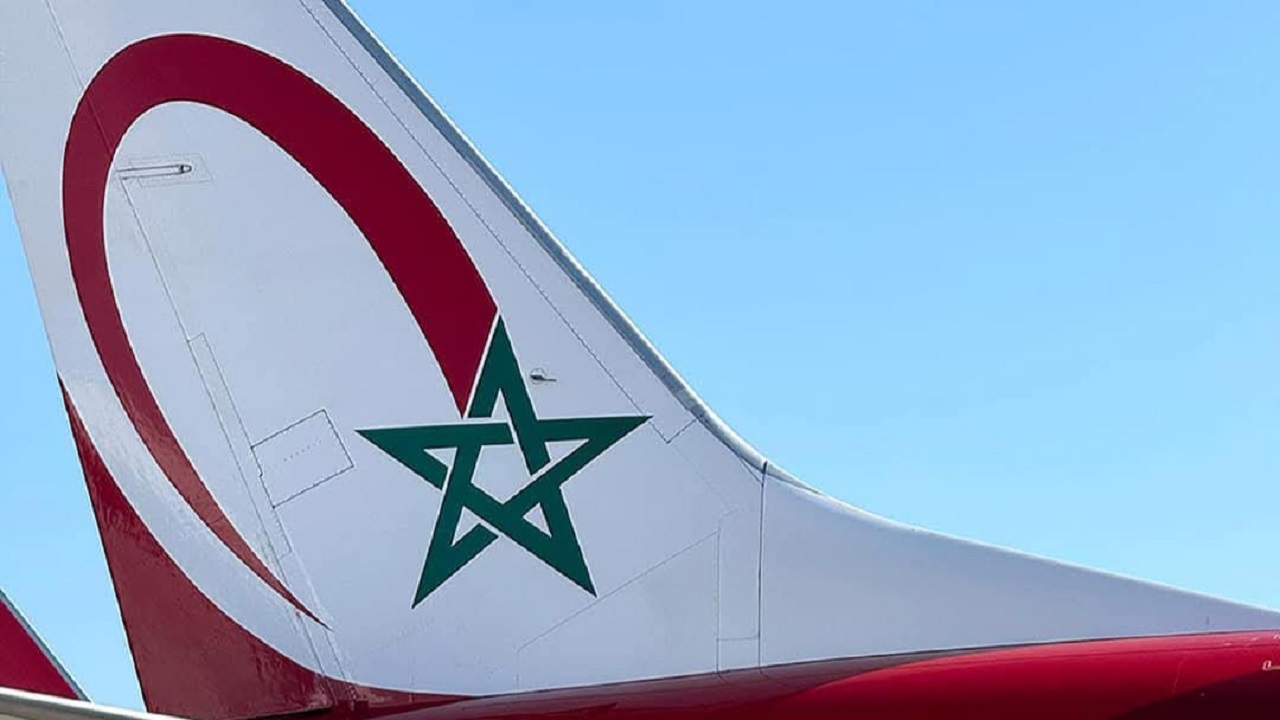
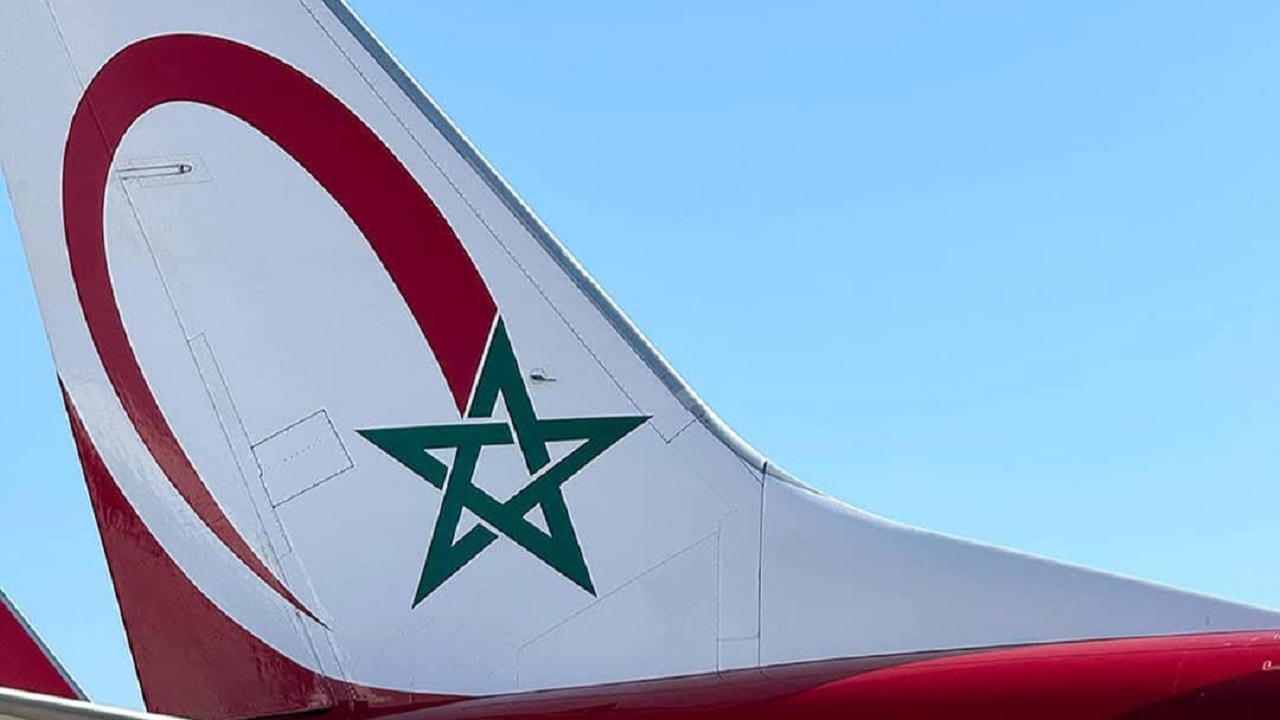
Several operators have a plausible strategic fit. Air Arabia knows the route and has an established Moroccan network. Royal Air Maroc already serves Strasbourg through Casablanca. A European carrier could also consider a seasonal operation. Yet MMNEWS has found no confirmed announcement of negotiations or a restart. It would therefore be misleading to suggest that the flight is already on its way back.
Turning signatures into a route-development file
The petition has made the issue public. The next phase should bring together passenger representatives, Franco-Moroccan associations, business networks, Strasbourg Airport, relevant local authorities, the Moroccan consulate and potential operators. Their task should not be to promise a flight, but to build a transparent route-development case.
That file should quantify potential passenger volumes, seasonal peaks, municipalities of origin, the Nador–Oujda split, business and family travel, and the community’s ability to promote a launch. It should also ask a question that cannot be avoided: why did the previous services stop? Was the problem weak demand outside summer, aircraft allocation, profitability, timing or a broader network decision? Reopening a route without understanding its earlier closure would risk recreating the same weakness.
The Strasbourg diaspora’s claim deserves more than a slogan. It deserves a formal study and a clear answer. The historical services prove that both routes are technically possible. The 983 signatures establish a mobilised constituency. The Oriental region’s economic development adds a dimension beyond family travel. The remaining challenge is to convert community energy into verified demand — and verified demand into occupied seats.
MMNEWS verdict: a seasonal Strasbourg–Nador relaunch is currently the most immediately defensible option because the route is recent and the mobilisation is documented. Strasbourg–Oujda should remain part of the study as an alternative or complementary scenario, depending on passengers’ final destinations. The question is no longer whether demand exists. It is whether the relevant institutions and airlines are finally willing to measure it together.


💬 التعليقات (0)
لا توجد تعليقات. كن أول من يعلق!
✏️ اكتب تعليقك