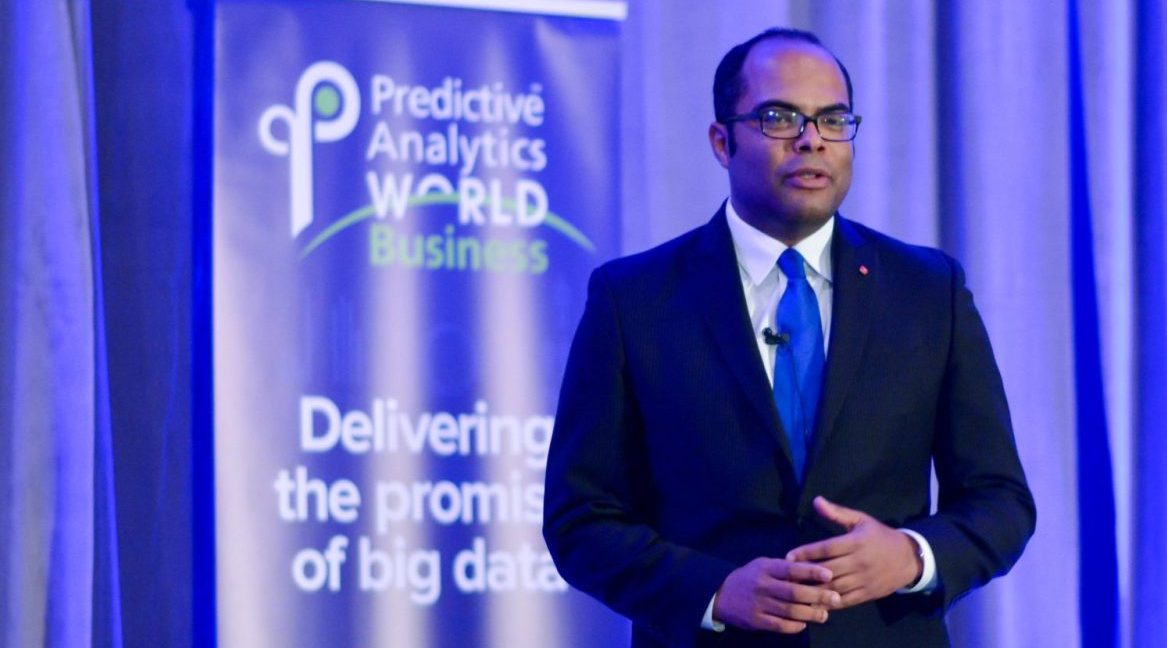
Bari is a Clinical Associate Professor of Computer Science at NYU, working across artificial intelligence, data science and predictive analytics. In 2025, the university awarded him its Dr. Martin Luther King Jr. Faculty Award, which recognises faculty whose teaching, leadership, research or community work reflects the values associated with Dr. King’s legacy.
It was a distinction that said as much about teaching as technology.
AI beyond performance
Bari’s academic work sits at a moment when artificial intelligence is leaving the research lab and entering almost every part of public life.
Healthcare, finance, education, politics and the workplace are increasingly shaped by automated systems. That means the people building them need more than technical competence.
They need judgement.
NYU has recognised Bari not only for his research environment but also for his teaching. The university lists him as a recipient of its Teach/Tech Award in 2024, followed by the MLK faculty honour in 2025.
That combination is increasingly significant.
The next generation of AI engineers will inherit extraordinary tools. Their education will help determine whether those tools deepen inequality, reduce it, or simply reproduce the assumptions of the people who built them.
Moroccan talent inside a global institution
Bari’s story also belongs to a wider picture of Moroccan expertise abroad.
The diaspora is often discussed through remittances, entrepreneurship or cultural visibility. University laboratories and computer science departments are less visible, but their influence can be just as consequential.
A Moroccan professor at a leading American university is not only producing knowledge. He is training students, building networks and participating in an international research ecosystem whose ideas travel globally.
For Morocco, the opportunity is not necessarily to turn every successful expatriate career into a permanent return home.
The bigger opportunity may be connection.
Research partnerships, visiting programmes, mentorship and academic exchanges can allow expertise developed abroad to circulate back into Moroccan institutions.
Teaching the people behind the machines
AI may be the technology defining Bari’s field, but education is what gives his career a broader meaning.
As machines become more capable, universities face a paradox: the more powerful the technology becomes, the more important human judgement becomes alongside it.
Anasse Bari teaches artificial intelligence in New York. His career is also a reminder that the future of AI will be shaped not only by better algorithms, but by the people universities prepare to use them.
💬 Comments (0)
No comments yet. Be the first!
✏️ Leave a comment