Two weeks after the exceptional border surge that shook Ceuta, the area has returned to relative calm. But as August 15 approaches, that date is increasingly circulating on social media as a possible moment for another collective crossing attempt, prompting authorities on both sides of the border to raise their level of preparedness.
New calls have appeared on Facebook, WhatsApp and other platforms encouraging people to move towards the border. So far, there is no evidence that a mobilisation comparable to the one seen at the end of July will actually take place. But the previous crisis showed how costly it can be to underestimate viral messages, especially when false claims are presented as confirmed facts.
Morocco significantly reinforces security measures
On the Moroccan side, the message is now clear.
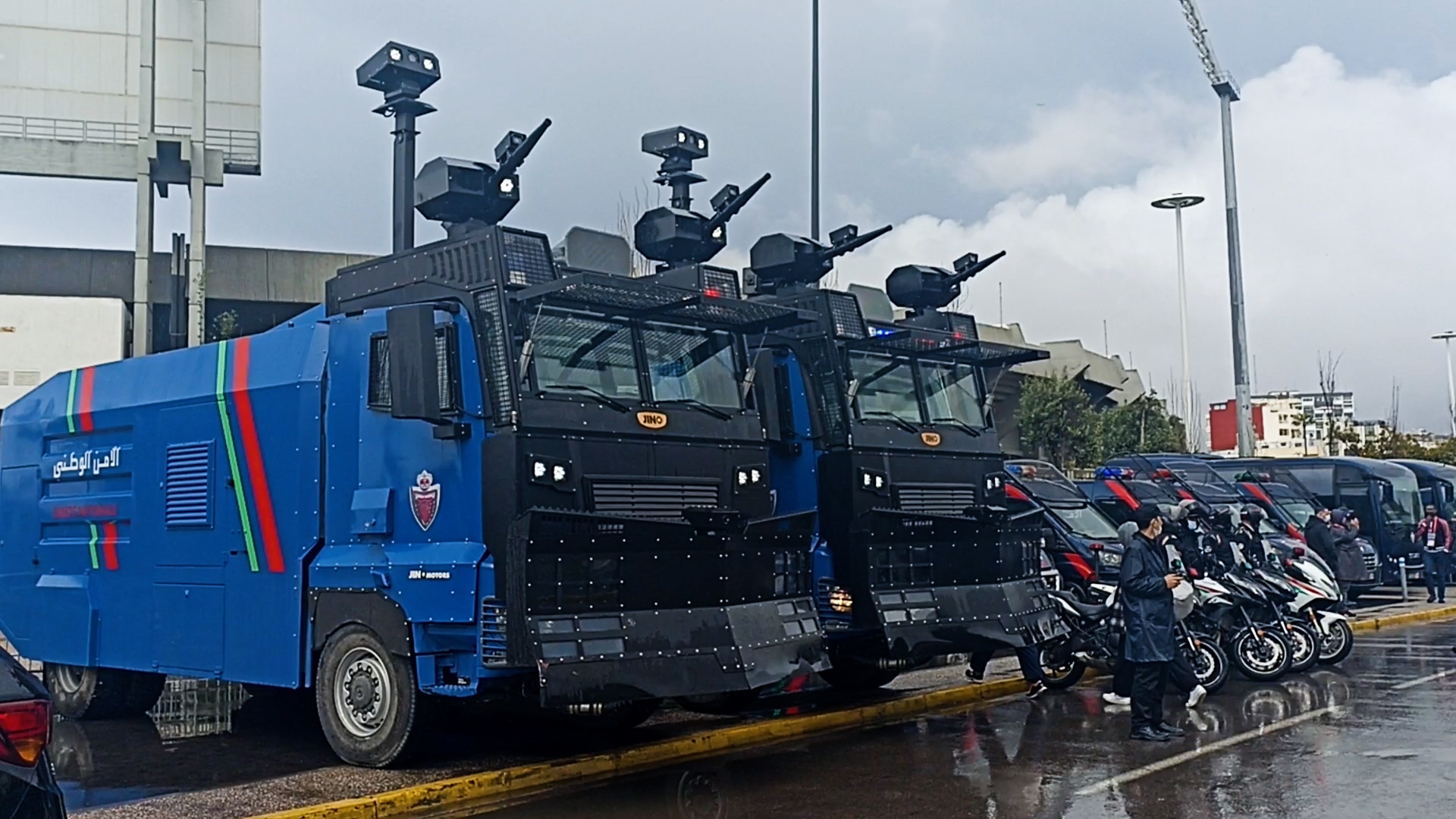
Security forces have strengthened their presence around Fnideq, Belyounech and Bab Sebta, as well as near Melilla, with additional units deployed and surveillance increased to prevent new gatherings close to the border.
Authorities have also warned that anyone involved in organising or encouraging irregular crossing attempts could face prosecution.
These measures are particularly important for the Kingdom.
After the accusations that emerged during the first days of the crisis, the current deployment shows that Morocco is clearly acting to prevent a repeat of the late-July events.
Here, facts matter more than political interpretation: Rabat is tightening controls and mobilising its security services to protect the border area and prevent further loss of life.
Beware of false promises
The first Ceuta wave showed just how dangerous misinformation can become.
Several young people later said they had seen images and messages on Instagram, TikTok and other platforms suggesting that the border was open or that entering Ceuta would provide easy access to Europe.
Those promises were misleading.
MMNEWS therefore wants to remind anyone tempted by the new calls of one essential fact:
The border is not open.
Entering Ceuta irregularly does not guarantee access to mainland Spain, a residence permit or automatic regularisation.
The previous wave left dozens dead, families searching for missing relatives, minors stranded inside the enclave and thousands of people ultimately forced to return to Morocco.
No viral video, WhatsApp message or anonymous post should obscure that reality.
The minors issue remains unresolved
While authorities prepare for August 15, Spain is still dealing with the consequences of the first wave, especially the question of Moroccan minors who remain in Ceuta.
Morocco has already stated that it is ready to cooperate on their return, while Spanish authorities are required to examine their cases individually under child-protection rules.
That means the question is no longer whether Rabat is willing to cooperate.
Morocco has already made that clear.
The challenge now lies in Spanish procedures, tracing families and determining whether return is in the best interests of each child.
This also sends a clear message to young people and families:
Entering Ceuta as a minor does not mean automatic transfer to mainland Spain.
Sovereignty returns to the political agenda
The file has become even more sensitive following recent comments by Moroccan Justice Minister Abdellatif Ouahbi concerning Ceuta and Melilla, which once again brought Morocco’s known position on the two cities into public debate.
Madrid responded immediately by insisting that Spanish sovereignty over Ceuta and Melilla is not negotiable.
It is important to distinguish clearly between two separate issues.
Morocco can maintain its political and historical position regarding Ceuta and Melilla while continuing to cooperate with Spain to prevent irregular migration and protect lives.
That distinction serves the Kingdom’s interests:
A political dispute over sovereignty does not mean abandoning security and humanitarian responsibilities.
MMNEWS: do not fall into the social media trap twice
August 15 is, for now, only a date circulating through online messages.
It should not become a self-fulfilling prophecy.
The more crossing calls are repeated irresponsibly, the greater the risk of amplifying them.
That is why MMNEWS chooses to warn readers without publishing the names of accounts, groups, routes or instructions that could help organise new attempts.
Our message to young people is simple:
Do not place your life in the hands of an anonymous online account.
The July events revealed the real cost of digital misinformation.
Images showing apparent “success” do not always show drownings, injuries, overcrowded reception centres, legal proceedings or families still waiting for their children to come home.
MMNEWS Analysis: August 15 is a new test of responsibility
For the Kingdom, the coming hours represent an important test.
If August 15 passes without a new mass movement despite the online calls, Morocco will have demonstrated in practical terms that it learned the lessons of the first crisis and strengthened its ability to prevent another tragedy.
That is also the strongest response to political accusations.
Not slogans. Facts. Secure the border. Dismantle networks. Inform young people. Cooperate on minors. Identify those behind the calls. And above all, protect lives.
Europe, meanwhile, must understand that this mobilisation carries a significant cost for Morocco.
The security of Europe’s southern frontier cannot permanently depend on Moroccan resources without a more balanced partnership covering legal mobility, investment, development and joint action against criminal networks.
Morocco is a partner in Europe’s stability. It is not a free border guard for the continent.
August 15 is approaching.
In Fnideq and Ceuta alike, security alert levels are rising.
Social media continues to generate rumours.
And the memory of those who died at the end of July remains painfully recent.
Morocco has reinforced its measures and sent a clear message: any new collective attempt will not be treated lightly.
But responsibility does not rest with the authorities alone.
It also lies with those who publish, share or believe unverified messages calling for crossings.
Before pressing “share,” one fact should be remembered:
A rumour can cross a smartphone screen in seconds. Crossing the sea can cost a life.
For MMNEWS, the goal of vigilance around August 15 should be simple: prevent another wave of digital manipulation from becoming another human tragedy.
💬 Comments (0)
No comments yet. Be the first!
✏️ Leave a comment