When distance turns inheritance into exposure
For many Moroccans abroad, inherited land is not merely an asset. It carries family history, parental sacrifice and a physical connection to Morocco. Yet distance can make that inheritance vulnerable. Boundaries may be disputed, access routes opened, land occupied or construction started while one or more rights holders are outside the country. Administrative delay then compounds the damage.
The file sent to MMNEWS fits that pattern. To protect privacy and preserve the rights of everyone involved, this article withholds names, identity-document numbers, telephone details and full land references contained in the records.
The complainant, a Moroccan resident abroad, presents himself as a co-owner by inheritance of family land within the jurisdiction of Oulad Settout in Nador province. He alleges that another individual has been using a passage across the jointly held parcel and has begun building without the agreement of all rights holders. Because ownership and the precise boundaries are disputed, MMNEWS does not decide who has title to the area. Only an enforceable administrative instrument or a judicial ruling can settle that question.
What the documents establish
The first document is an administrative complaint addressed to the local caid and stamped as received on 24 August 2026. Its subject concerns the creation and use of a passage through land described as jointly owned and disputed, without the consent of the other rights holders. It requests a field inspection, verification of the situation and legal measures to prevent changes that could prejudice existing rights.
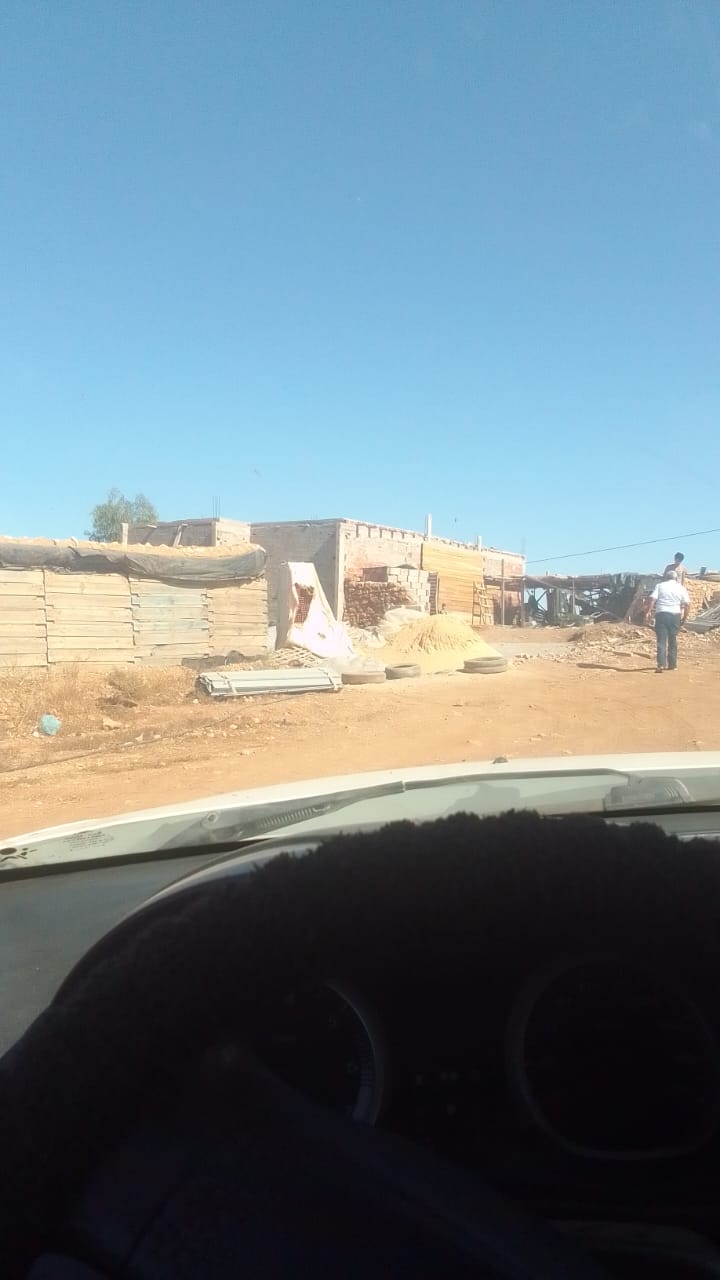
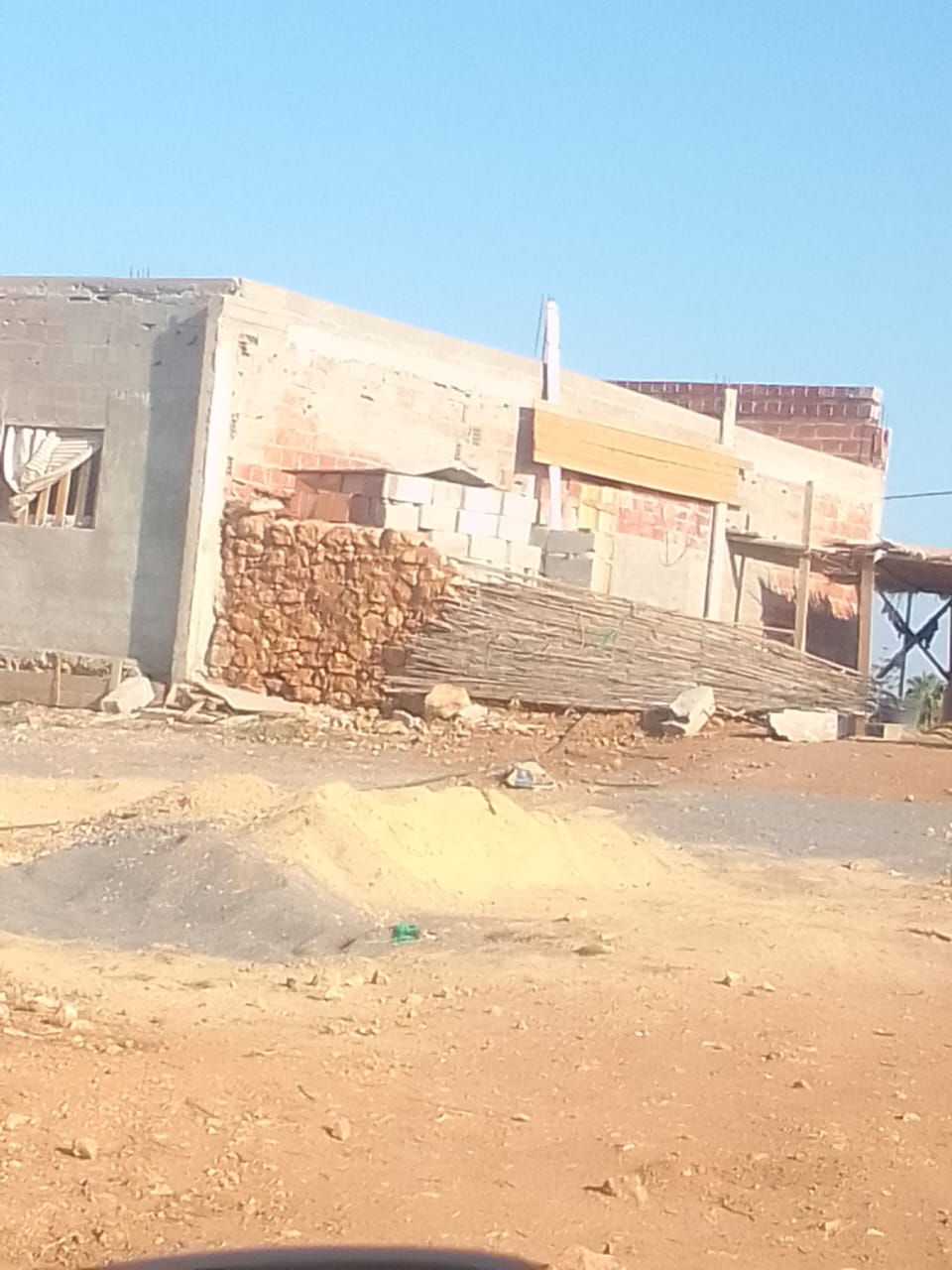
The second document, dated 15 September 2026, is a site-observation report prepared by a judicial officer operating within the jurisdiction of the Nador Court of Appeal. It describes building work under way over an estimated area of about 100 square metres: walls approximately three metres high, the placement of a slab or roof structure, and construction materials and tools on site. Photographs supplied to MMNEWS also show a worksite and building materials.
These details matter, but their legal scope must not be overstated. The report records what the officer observed on the date of the visit. In the copy received by MMNEWS, it does not certify that no building permit exists. Nor does it determine the lawful owner of the footprint concerned. The administrative complaint records the complainant’s allegations and requested remedies; it is not a judgment or an official urban-planning offence report.
Why the authorities should inspect now
Legal caution must not become an excuse for inertia. When construction advances on land whose use and ownership rights are contested, every additional day can make an eventual remedy more difficult. A prompt official visit could answer straightforward questions. Is there a building permit? In whose name was it issued? What land documents supported the application? Does the work match the approved plans, footprint and applicable planning rules?
Moroccan law provides a clear framework. Article 64 of Law 12-90 on urban planning, as amended by Law 66-12, treats the start of construction without prior permission — or work that departs from authorised plans — as an offence. Article 66 allows an urban-planning inspector to act on their own initiative, at the request of local or municipal authorities, the urban agency, or any person who has filed a complaint. Where an offence is officially established while construction is continuing, Article 67 provides for an immediate stop-work order.
MMNEWS is not asking authorities to close a lawful site merely because an allegation has been made. We are asking the competent institutions to verify its status without delay. If valid permits exist, they should be produced and the parties formally informed. If an offence is identified, the measures provided by law should be applied before the structure becomes an irreversible fait accompli.
Property rights do not end at the border
Article 35 of Morocco’s Constitution guarantees the right to property, while Article 21 recognises every person’s right to the protection of their belongings. Article 16 specifically commits the Kingdom to protecting the rights and legitimate interests of Moroccans living abroad.
These provisions do not give the diaspora special privilege. They promise equal protection despite physical distance. A citizen should not need to board a flight simply to have a registered complaint examined, a construction permit checked or a written answer issued. Secure property rights are part of public trust. They affect family ties, retirement plans, return projects, investment and the transmission of assets to the next generation.
Jointly owned inherited property is particularly vulnerable. Several heirs may hold rights in the same parcel without a final partition or recent boundary survey. That complexity does not authorise unilateral changes to the land. It also requires responsible reporting: a civil ownership dispute cannot be converted into a criminal conviction by headline. MMNEWS therefore describes the site as “disputed” and the alleged absence of permission as unverified unless and until the competent authority confirms it.
MMNEWS calls for a documented response
On the basis of the material received, MMNEWS calls on the local authority, the municipality, urban-planning inspection services and the competent urban agency to:
-
conduct an official inspection of the work and its land footprint;
-
verify the existence, validity and scope of any building authorisation;
-
prepare the statutory offence report and take protective measures if the facts require it;
-
give the complainant a written account of the action taken;
-
preserve the rights of all parties pending a competent administrative or judicial decision.
The person whose actions are challenged is also entitled to respond. MMNEWS invites that party to provide any permit, title, court ruling or explanation relevant to the case. The same invitation is extended to the administrations concerned. Their replies will be reported fairly and prominently.
Standing with a Moroccan abroad does not mean condemning the opposing party without hearing them. It means refusing to accept a vacuum in which administrative silence allows a dispute to become permanent physical damage.
From one file to a national protection mechanism
This case points to a wider institutional gap. Moroccans abroad do not always have a clear route for reporting an urgent threat to real estate, following an inspection and receiving a traceable response from their country of residence. Morocco would benefit from a unified digital channel linking municipalities, urban agencies, the land registry and the public bodies responsible for diaspora affairs. Every alert should receive a tracking number, a processing timetable and a documented conclusion.
MMNEWS will continue to review substantiated files, protect personal data, verify what documents actually prove and seek responses from all sides. Journalism cannot replace the judge, the caid, the planning inspector or the land registrar. It can, however, insist that a citizen’s request does not disappear into administrative silence.
In Oulad Settout, the immediate task is straightforward: inspect, establish the official facts and, if an irregularity is confirmed, prevent the work from continuing. Justice is not only the ability to repair harm after years of litigation. It is also the capacity to intervene before the harm becomes irreversible.


💬 Comments (0)
No comments yet. Be the first!
✏️ Leave a comment