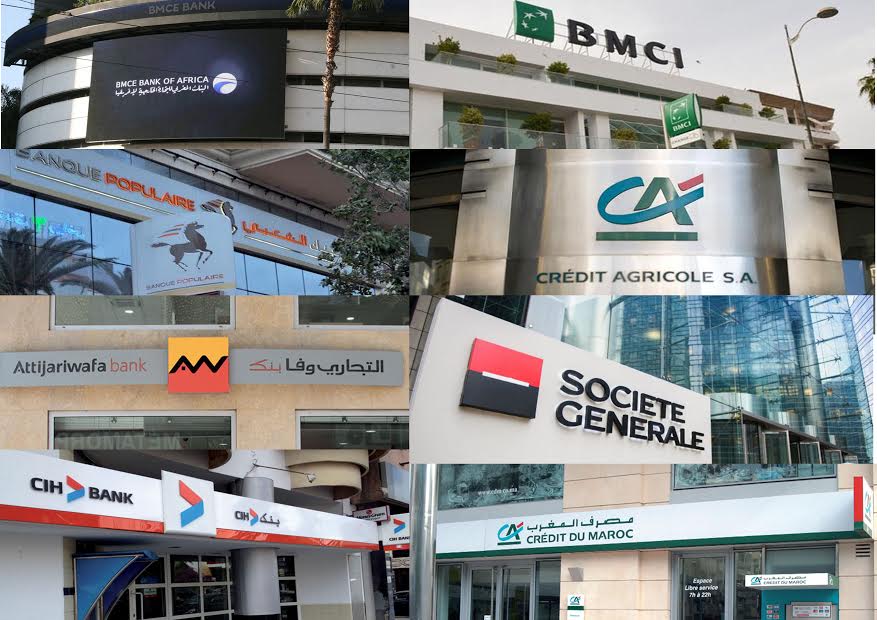
Their role is no longer limited to sending money to relatives. They are also savers, investors, homebuyers, entrepreneurs and internationally mobile clients with financial needs in more than one country.
Why Summer Matters So Much to Banks
The summer period is a key moment for banks to strengthen their relationship with the diaspora.
During their holidays in Morocco, many Moroccans abroad use the opportunity to open an account, update documents, apply for financing, purchase property or prepare an investment project.
Banks understand that physical presence makes these steps easier. They therefore extend opening hours, reinforce customer-service teams and sometimes create temporary service points in high-traffic locations.
The objective is clear: meet clients where and when they are available, rather than wait for them to visit a branch.
A Financial Weight That Explains the Growing Interest
The banks’ interest is first linked to the scale of remittances sent from abroad.
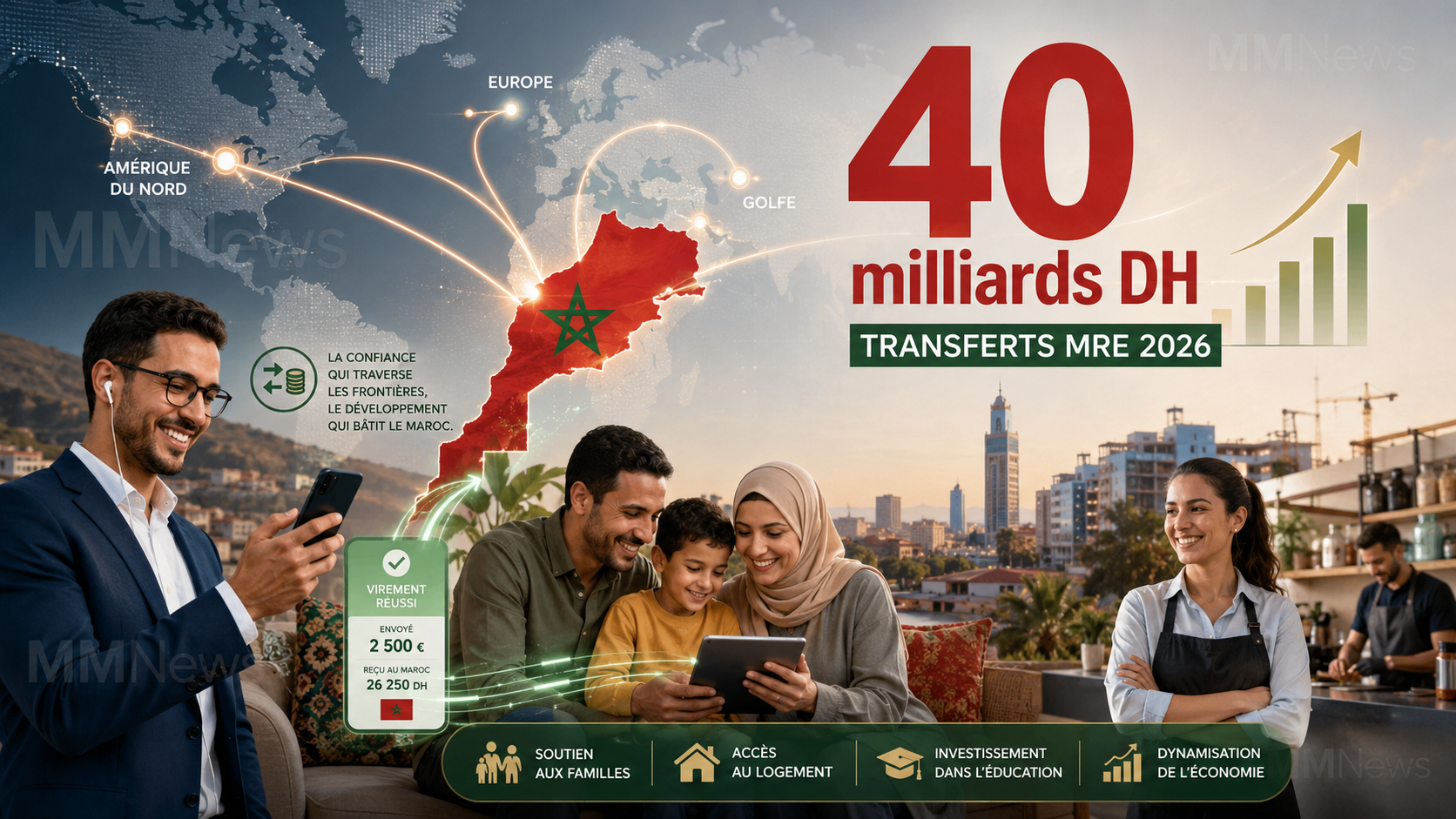
These transfers provide major support to families, consumption, savings and the country’s foreign-currency reserves.
For banks, they also generate deposits, foreign-exchange transactions, transfer fees and opportunities to offer additional services.
But the real objective goes beyond a single transfer. A bank that handles money sent from abroad may later propose a foreign-currency account, a payment card, insurance, a mortgage, a savings product or an investment solution.
The relationship can therefore evolve from a seasonal transaction into a long-term financial partnership.
From Money Transfers to Full Banking Relationships
For many years, Moroccans abroad were mainly viewed as transfer clients.
Today, banks want to become their main financial partner in Morocco.
That is why digital services are expanding: remote account opening, electronic signatures, mobile applications, online document submission and financing for property or business projects.
This shift reflects changing customer expectations. Younger generations of the diaspora are more digitally connected, more demanding about speed and transparency, and less willing to spend part of their holiday dealing with paperwork.
Why Is Competition Becoming Stronger?
Several factors explain the growing competition.
The first is long-term loyalty. A Moroccan living abroad may remain with the same bank for decades and later pass that relationship on to the next generation.
The second is revenue diversification. Banks are no longer interested only in transfer fees. They also want to develop income from cards, insurance, credit, savings and investment products.
The third is competition from fintech companies and international money-transfer platforms, which often provide faster, easier and sometimes cheaper services.
Finally, banks know that many Moroccans abroad have significant savings and investment capacity, whether in property, tourism, agriculture, commerce or entrepreneurship.
The Real Battle Is Now Digital
The new generation of Moroccans abroad does not want to spend its holiday moving from one branch to another.
It expects to open an account from abroad, send documents online, sign electronically, track a financing request and receive a clear response quickly.
This is why digital banking has become central to the new offers.
However, remote account opening alone is not enough. Clients also expect continuous support from their country of residence, strong cybersecurity, fast complaint handling and advisers who understand the realities of living between two financial systems.
Attractive Offers, but Transparency Remains Essential
Greater competition can benefit customers.
Travel discounts, free cards for a limited period, hotel advantages and preferential conditions may all make certain offers more attractive.
But an objective analysis must also highlight one essential point: a promotional advantage should not hide the real cost of the service.
Before subscribing, clients should compare account fees, transfer charges, exchange-rate margins, insurance costs, card commissions and loan conditions.
A service may be free for a few months and become expensive later. A temporary travel benefit may not compensate for high banking fees over several years.
Trust begins with clear pricing.
Property Loans Remain at the Heart of the Strategy
For many Moroccans abroad, buying a home in Morocco remains a major goal.
Banks have responded with property-financing products adapted to income earned overseas, foreign currencies, guarantees and professional situations.
But these loans require clear explanations.
Clients need to understand the interest rate, repayment period, total cost, guarantees, exchange-rate risks and the consequences of a possible fall in income in their country of residence.
A mortgage can strengthen a person’s connection with Morocco, but it must remain suited to their real repayment capacity.
Moroccans Abroad Want More Than Products
In many cases, the main difficulty is not purely financial. It is administrative and practical.
A person who wants to invest may need help understanding tax rules, setting up a company, securing a property purchase or finding the right public authorities.
This gives banks an important opportunity: move from simply selling products to genuinely supporting projects.
Country-specific advisers, video appointments, multilingual services, partnerships with notaries and experts, and clear file tracking could make a real difference.
Long-term loyalty is built through service quality, not through temporary promotions.
The Relationship Must Go Beyond Summer
Summer is an important entry point, but it should not be the only period when banks engage with Moroccans abroad.
Real modernisation means offering the same quality of service in January as in July, whether the client is in Paris, Brussels, Montreal, Madrid or Dubai.
Moroccans abroad want a bank that works remotely, responds quickly and understands their specific constraints.
Summer campaigns are useful, but they should be part of a year-round strategy.
A Strategic Client Base That Deserves More Than Seasonal Marketing
The growing interest of Moroccan banks in Moroccans abroad is logical. Remittances remain important, financial needs are becoming more diverse and the diaspora represents major potential in savings, investment and financing.
Competition between banks can improve services, accelerate digitalisation and make some offers more attractive.
But real success will not be measured by the number of summer advertisements or promotional gifts.
It will be measured by transparent pricing, faster procedures, better advice and the ability to support Moroccans abroad throughout the year.
Moroccans living overseas are no longer simply senders of foreign currency. They are international clients, potential investors and partners in the development of the Kingdom. Banks that fully understand this shift will build relationships far stronger than any seasonal offer.
💬 Commentaires (0)
Aucun commentaire. Soyez le premier !
✏️ Laisser un commentaire