That gap is becoming an economic policy question in its own right.
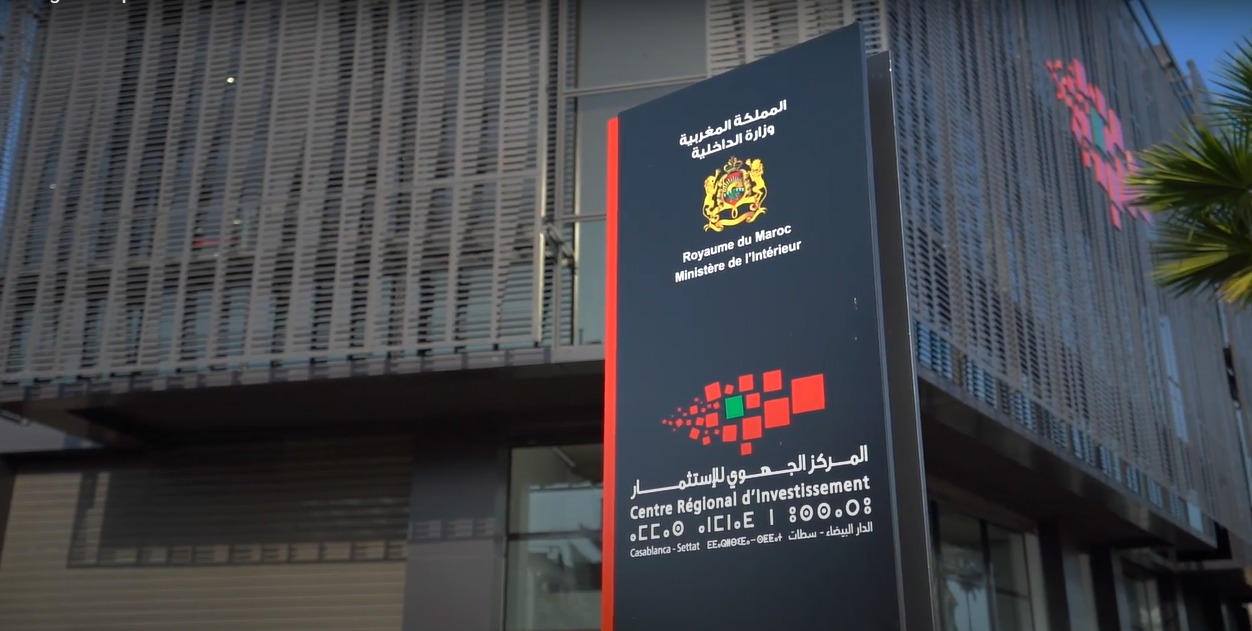
Between August 10 and 13, Morocco's Regional Investment Centres are hosting a dedicated Investment Week for Moroccans living abroad, an initiative led by the ministry responsible for investment policy.
The message behind the programme is increasingly clear: Morocco no longer wants to view its global community solely as a source of remittances. It wants its engineers, founders, executives, doctors and investors abroad to become active participants in the country's next phase of growth.
A diaspora rich in capital — and something even more valuable
Money is only part of the equation.
Moroccans working across Europe, North America, the Gulf and Africa have accumulated decades of professional knowledge, access to international markets and connections to companies and institutions that Morocco wants to bring closer to its economy.
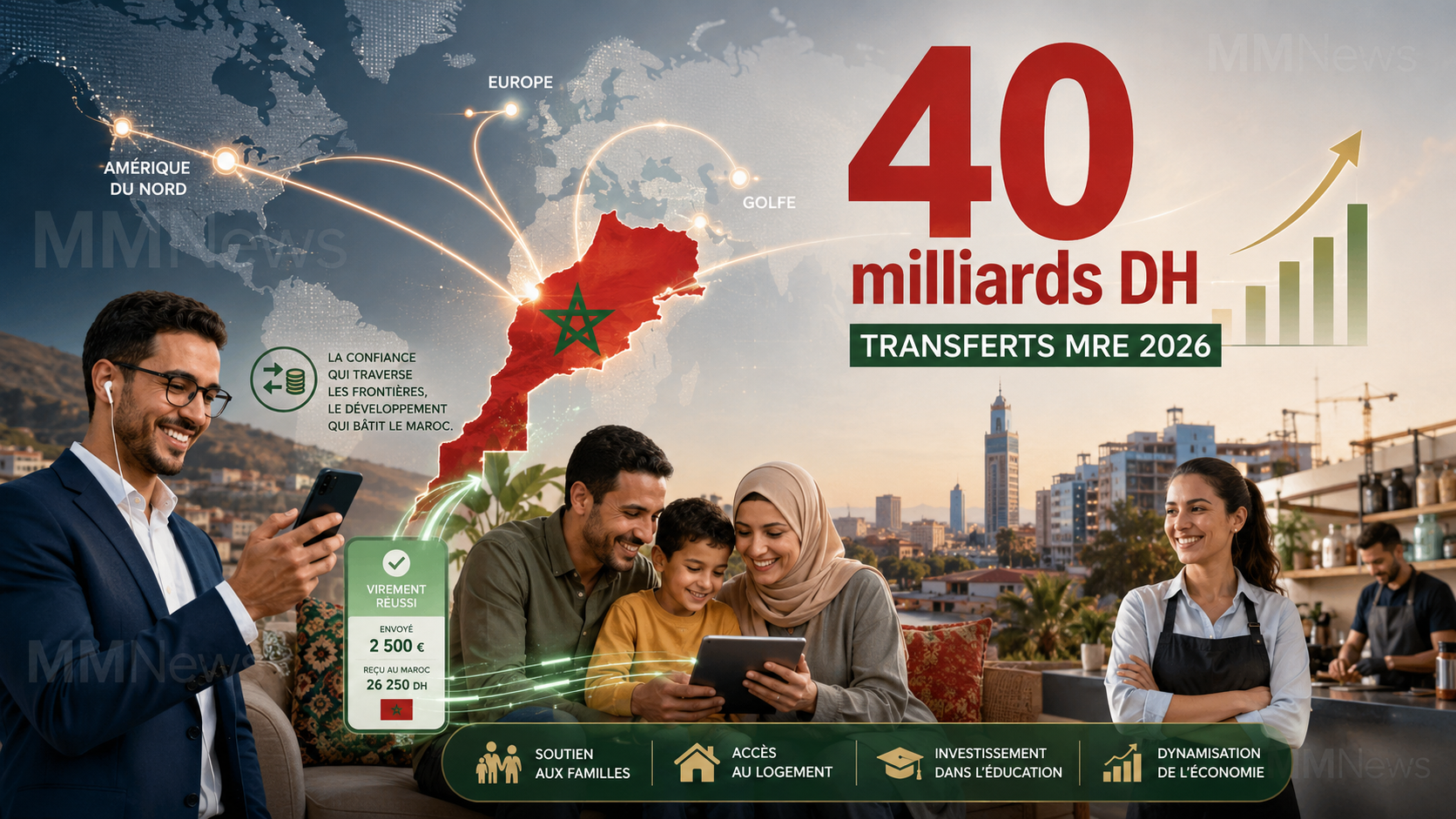
At a national forum on diaspora investment held in Tanger earlier this year, the CCME noted that MRE remittances exceeded MAD 122 billion in 2025, while their share of Morocco's private investment remained below 10%.
That imbalance helps explain the current push.
Morocco already knows how to attract the savings of its diaspora. The harder task is convincing those same people to put capital at risk and build businesses at home.
From a business idea to a regional opportunity
The 2026 Investment Week is designed around Morocco's regional investment centres.
Across the country, MRE entrepreneurs and prospective investors are being offered meetings with CRI teams, briefings on available incentives, presentations of regional and sector-specific opportunities and introductions to local business ecosystems.
The aim is practical.
A Moroccan living in Paris, Montreal, Brussels, Dubai or Amsterdam who has an investment idea should be able to move beyond broad promises and understand where a project might work, what support is available and which institutions can help move it forward.
Crucially, officials say that support will remain available throughout the year, including to investors contacting CRIs from their countries of residence.
Morocco's regions are competing for diaspora capital
The strategy is also becoming more local.
In the Tanger-Tetouan-Al Hoceima region, the CRI has launched a travelling initiative for Moroccans abroad, taking the investment conversation beyond Tanger to Larache, Al Hoceima, Tetouan, Chefchaouen and Ouezzane.
The regional centre has highlighted digital administrative services and a platform through which investors can submit and track complaints related to their projects.
It signals a subtle but important change.
Diaspora investors are increasingly being treated not simply as expatriate Moroccans returning home, but as mobile global investors whose capital, expertise and networks must be competed for.
Why 2030 matters
Timing is central to Morocco's pitch.
The country is entering an intense development cycle ahead of 2030, with major investments planned or underway in transport, tourism, industry, infrastructure and other sectors.
Moroccan professionals abroad could play an outsized role in that transformation.
At the launch of the Tanger regional initiative, CRI director general Yassine Tazi highlighted the diaspora's ability to contribute international expertise, technology transfer and access to global networks and markets.
A Moroccan software executive in Dubai can bring more than funding.
An engineer in Germany can bring industrial know-how. A healthcare professional in France can build partnerships. A finance executive in London can connect projects to investors. An entrepreneur in the United States can open doors to technology and markets.
That is the economic asset Morocco is increasingly trying to mobilise.
The real measure will come after Investment Week
The initiative ends on August 13.
But the number of conferences, meetings or presentations held this week will tell only part of the story.
The real test will come months later.
How many prospective investors will remain in contact with the CRIs? How many ideas will become registered projects? How many will secure financing? How many will create jobs?
Those numbers will determine whether Morocco can turn diaspora engagement into lasting productive investment.
Morocco has long benefited from the money its diaspora sends home. Its next challenge is to become a place where that diaspora also wants to build, invest and take risks.
💬 Comments (0)
No comments yet. Be the first!
✏️ Leave a comment