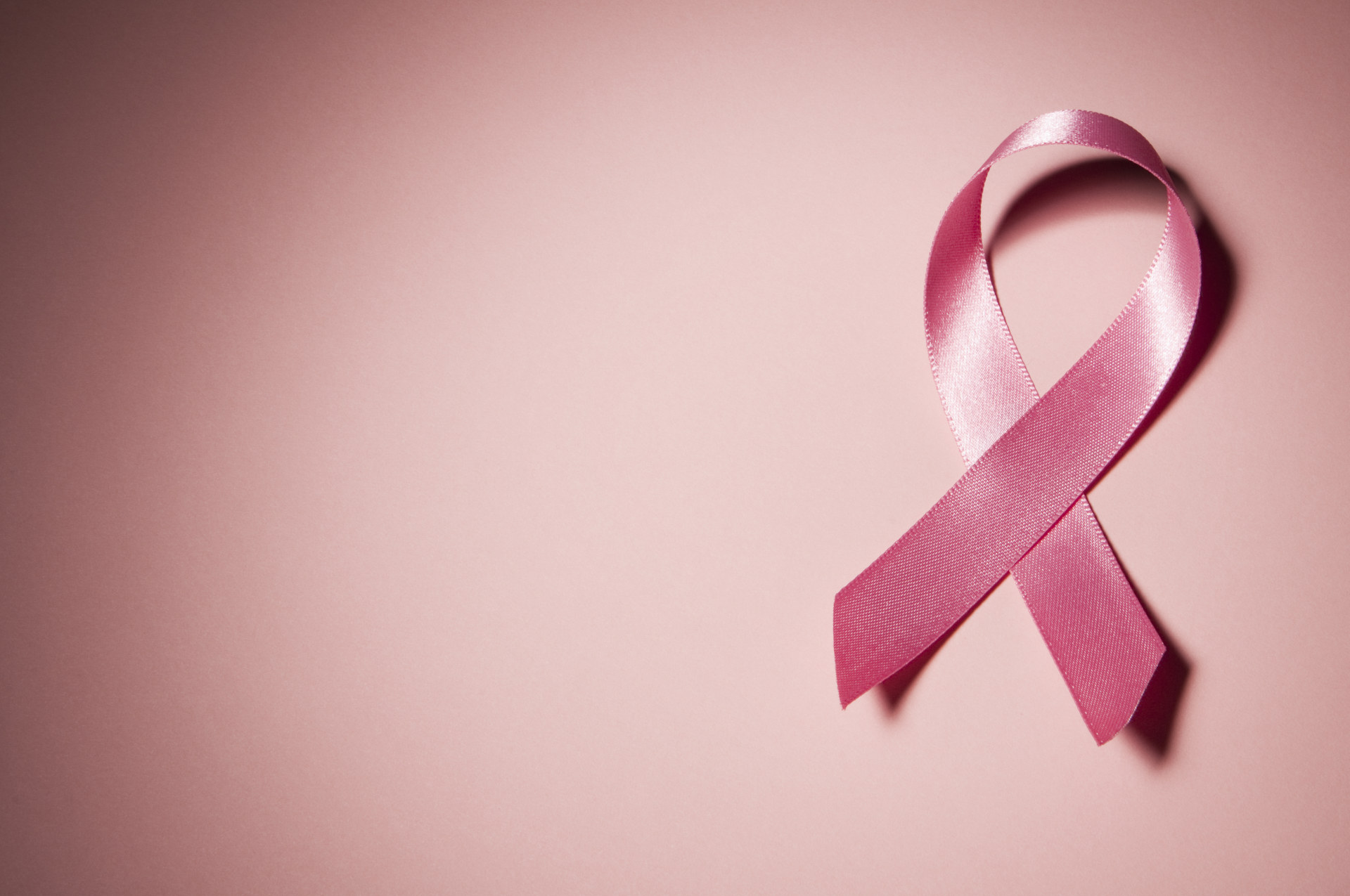
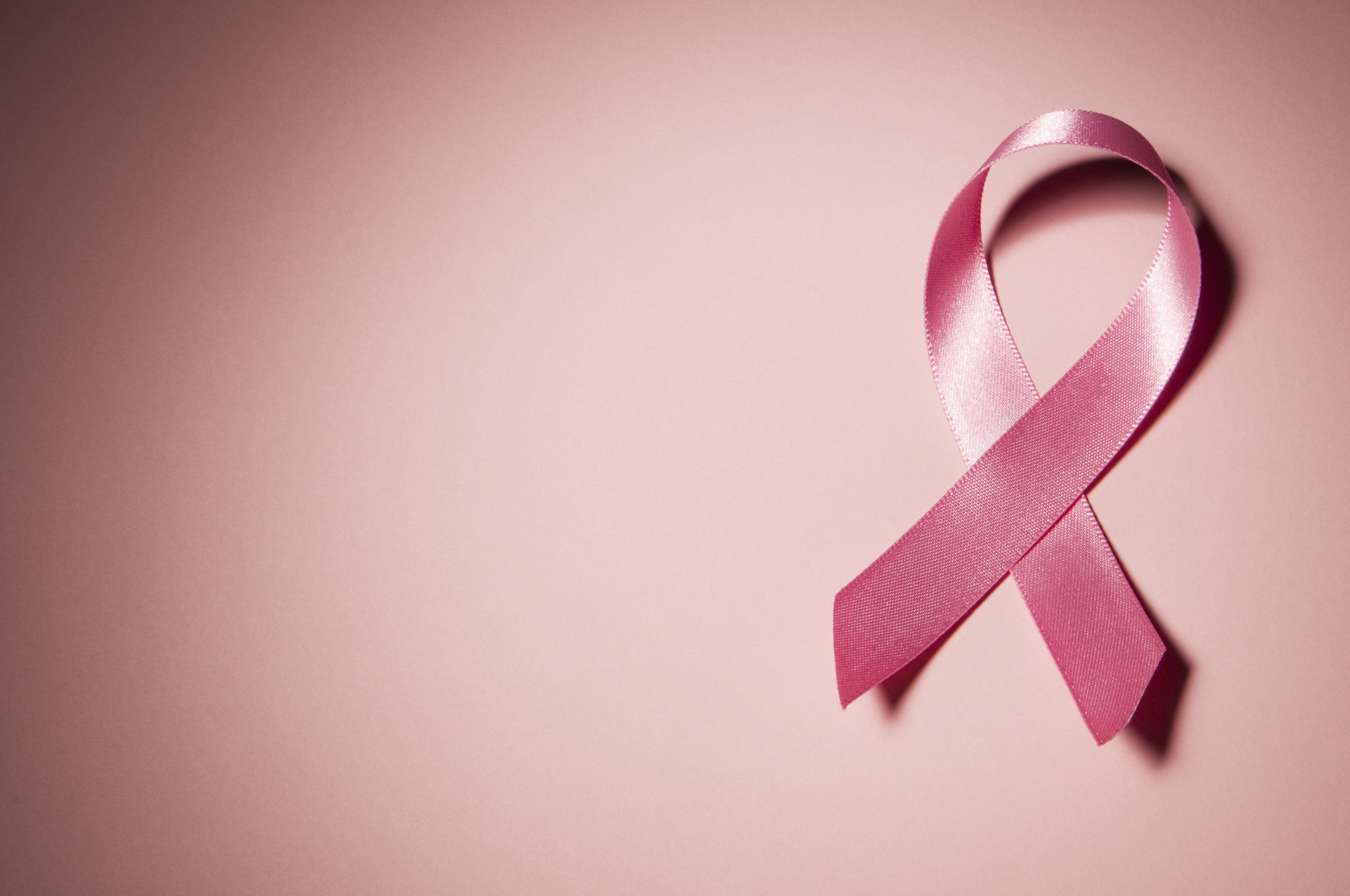
Marrakech turned pink on Sunday, 4 October. The sixth edition of La Kéchoise was scheduled to start at 8:30 a.m. from Koutoubia Square, taking women over a seven-kilometre route to Place des Ferblantiers. Participants could run or walk. The point was not simply to finish first, but to make women’s health visible in the heart of the city.
The three-day programme, held from 2 to 4 October, combined sport, wellbeing workshops, community encounters and breast-cancer awareness. Organisers expected more than 500 participants representing around ten nationalities. Visit Marrakech reports that 550 women from several countries took part in the 2025 edition.
No verified final attendance figure for the 2026 race had been released when MMNEWS published this article. Forecast participation should not be confused with an official event total.
A Moroccan event with a diaspora lesson
La Kéchoise’s international reach makes it relevant to Moroccans abroad. Many women divide their lives between Morocco and another country, care for relatives across borders or move between healthcare systems. That mobility can also create gaps: a screening invitation postponed before travel, scans stored in different countries, family history not passed on, or follow-up interrupted after relocation.
Pink October’s most useful message for the diaspora is therefore straightforward: do not allow a border to fragment your healthcare journey.
Breast cancer is the most frequently diagnosed cancer among women in Morocco. The International Agency for Research on Cancer’s GLOBOCAN 2022 estimates recorded 12,756 new cases, representing 38.8% of estimated female cancer cases in the country. These are modelled epidemiological estimates rather than a live administrative count, but they show the scale of the challenge.
The World Health Organization says Morocco has structured breast- and cervical-cancer screening programmes. Screening policies nevertheless differ across countries. Moroccan women living in France, Belgium, Canada, the Netherlands or elsewhere should follow their country of residence’s official guidance and seek individual advice based on age, family history and personal risk.
A cross-border health checklist
Women who regularly move between countries can protect continuity of care by:
- keeping secure digital copies of mammograms, ultrasound reports, biopsy findings and consultation notes;
- recording the date of the latest examination and the recommended next step;
- telling clinicians about relevant family history, including diagnoses made in Morocco;
- seeking medical advice promptly when a new change appears instead of waiting for the next trip;
- asking whether they qualify for an organised screening programme or need individual surveillance;
- translating key documents when this helps the treating team understand previous care.
Breast awareness may help women notice an unusual change, but it is not a substitute for medical screening. France’s Ligue contre le cancer stresses that observation and self-palpation do not replace mammography; their role is complementary and depends on age and risk. Any persistent lump, nipple or skin change, unusual discharge or other concern should be discussed with a qualified healthcare professional rather than postponed until October.
Turning the diaspora into a prevention network
MRE communities can contribute beyond individual screening. Women’s associations, Moroccan doctors abroad, student groups, consular networks and community organisations can share reliable information in the languages families actually use — French, Arabic, Darija, Amazigh, Dutch, Spanish, Italian or German.
That work matters when women face fear, embarrassment, isolation, language barriers or uncertainty about their healthcare rights. Good awareness does not shame people. It explains where to go, how to book an appointment and why an offered examination should not be ignored.
Community organisations can also support patients travelling between Morocco and their country of residence during or after treatment. Their role should remain clear: listening, signposting and language support, never replacing medical professionals.
Beyond the finish line
Singer Douaa Lahyaoui was announced as patron of this year’s La Kéchoise. The programme began with an event in Agafay on Friday and continued on Saturday with a partner village, free activities and a discussion titled “Women in Motion, Health in Action”. Sunday’s route linked two of Marrakech’s most recognisable public spaces.
The more important measure comes after the race. Pink October’s success cannot be reduced to bib numbers, social-media posts or buildings lit in pink. It should be judged through appointments booked, examinations completed, women supported and cancers diagnosed early enough to widen treatment options.
For Moroccan women abroad, the message starts in Marrakech but does not stop at the airport. Prevention must travel too.
💬 Commentaires (0)
Aucun commentaire. Soyez le premier !
✏️ Laisser un commentaire