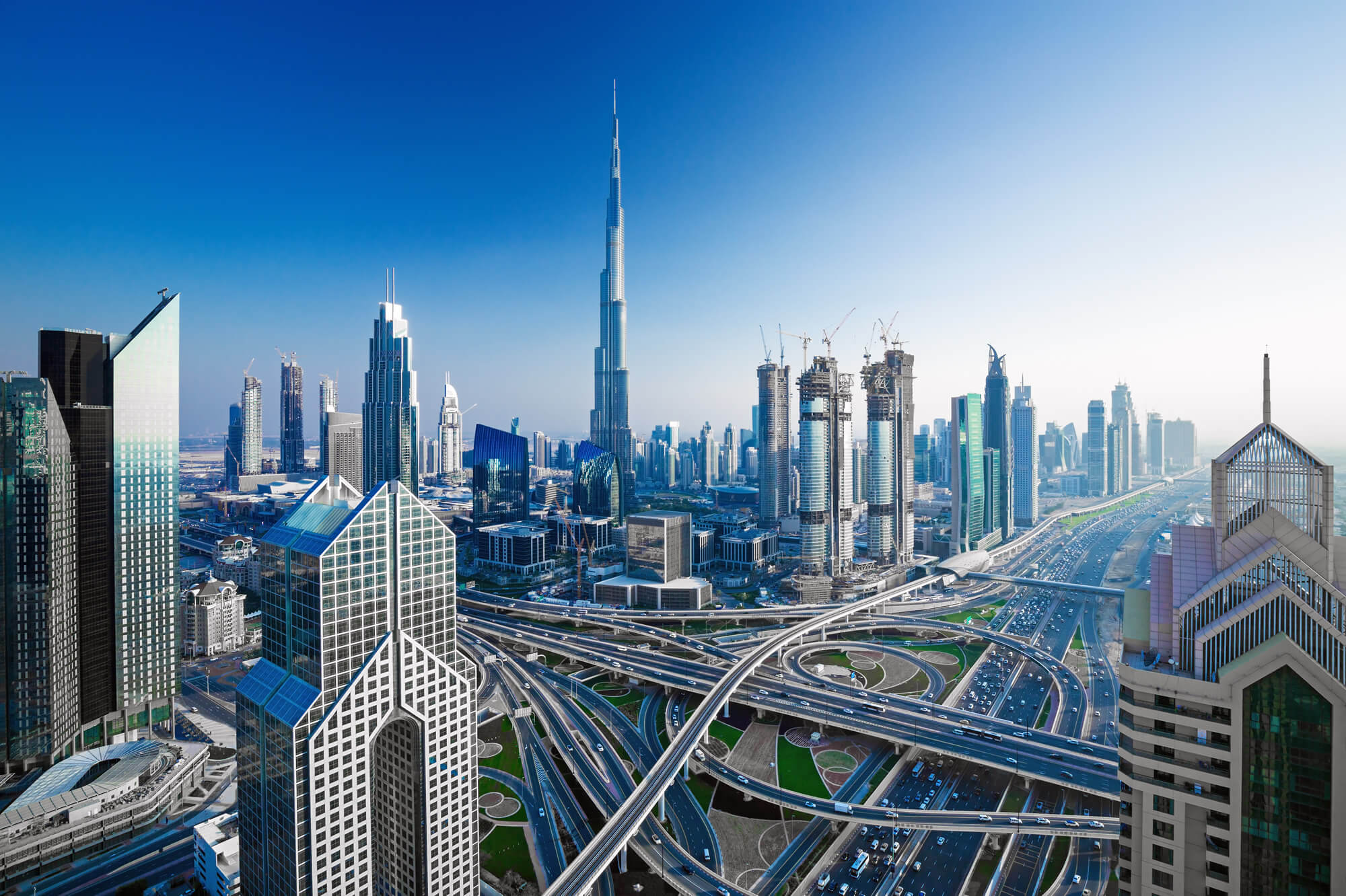
The word new matters here. It does not mean every person on this list recently arrived in Dubai. It describes a newer model of Moroccan mobility — one built less around permanent migration and more around international careers, entrepreneurship, networks and the ability to operate across borders.
Imad Boumahdi: Building the Infrastructure Behind Digital Payments
Imad Boumahdi represents the technology end of that shift.
The Moroccan entrepreneur is the founder of PayTic, a company focused on automating the operational infrastructure behind digital payments. His public professional profile identifies him as a “Proud Moroccan” and places him in the UAE. (ae.linkedin.com)
In 2026, PayTic also pushed further into artificial intelligence through its Intelligent Components offering following the acquisition of UK-based guppy.ai. (linkedin.com)
Boumahdi's story is not simply about a Moroccan founder succeeding abroad. It is about using Dubai as a platform from which a Moroccan-led technology business can address markets far beyond the Gulf.
Kenza Lahlou: Putting Capital Behind Africa's Next Companies
If founders build companies, investors help decide which ones get the chance to scale.
Kenza Lahlou, co-founder and Managing Partner of Outlierz Ventures, operates in that space. Outlierz backs technology-enabled African companies across sectors including fintech, insurtech, agritech, healthtech and logistics, while Lahlou's professional footprint connects Morocco and the UAE. (ae.linkedin.com) (linkedin.com)
Speaking to Inc. Arabia in 2026, she described Morocco's digital transformation as a long-term opportunity while contrasting the country's execution speed with faster-moving GCC markets such as the UAE and Saudi Arabia. (en.incarabia.com)
Her role captures an increasingly important diaspora function: not just exporting Moroccan talent, but connecting capital, founders and markets in both directions.
Dr Nisrine Amazzal: Moroccan Medicine in the UAE
Not every diaspora story comes with a pitch deck.
Dr Nisrine Amazzal is a Moroccan family medicine specialist practising in the UAE through Mediclinic. A graduate of the Faculty of Medicine and Pharmacy in Marrakech, she has more than 15 years of clinical experience, with areas of practice spanning family medicine, diabetology and women's health. (mediclinic.ae)
Her career offers a useful corrective to Dubai's familiar image of finance and entrepreneurship.
Highly skilled Moroccan professionals are also embedded in the everyday institutions on which the Emirates depend — healthcare among them.
Hanane Ouaddahou: Making Moroccan Food Speak to the Gulf
Born in Casablanca, Hanane Ouaddahou first built a career in business intelligence before trading corporate life for the kitchen.
After studying and working in France, and briefly running her own restaurant near Paris, she moved to Dubai and rebuilt her professional life around Moroccan food. She went on to become a television chef and culinary consultant. (thenationalnews.com)
Her work has consistently sought to move Gulf audiences beyond the shorthand of couscous and tagine and towards the depth of Morocco's regional culinary culture. She remains professionally active from Dubai. (ae.linkedin.com)
Food, in her hands, becomes both career and cultural diplomacy.
Hind Bitouche: Giving Amazigh Craft a Contemporary Gulf Address
For Hind Bitouche, Moroccan heritage is not something to place behind glass.
She founded Dar Chi, which describes itself as the first Moroccan Amazigh marketplace in the UAE. Its mission combines the presentation of authentic Moroccan products with support for skilled craftswomen in Morocco. (ae.linkedin.com)
With a professional background in brand development and marketing, Bitouche approaches craftsmanship through the language of contemporary retail, identity and storytelling rather than nostalgia alone. (intch.org)
That distinction matters in Dubai, a market where heritage competes for attention alongside some of the world's most polished luxury brands.
Maha Labridi: Taking Moroccan Craft Into Contemporary Interiors
Maha Labridi works where interior design meets artisanal sourcing.
Her professional practice spans the UAE and Morocco, with a particular focus on sourcing Moroccan craftsmanship for interior and hospitality projects. (ae.linkedin.com)
Through the Afouss universe, Moroccan handmade décor is presented as something capable of inhabiting contemporary spaces rather than remaining confined to traditional settings. (threads.com)
It points to a larger opportunity for Morocco: exporting not simply handcrafted objects, but design intelligence, provenance and skilled production.
Chama Mechtaly: Turning Identity Into Art
Born and raised in Casablanca, Chama Mechtaly is a Dubai-based Moroccan artist, entrepreneur and cultural advocate whose work has explored the layered Amazigh, Muslim and Jewish histories of Morocco. (atlanticcouncil.org)
She also created Moors & Saints, a jewellery brand drawing on Moorish architecture and histories of cultural coexistence. The brand debuted during Dubai Design Week. (arabnews.com)
Mechtaly's trajectory shows another dimension of diaspora life: heritage is not always preserved by repeating it. Sometimes it survives by being questioned, reinterpreted and placed into conversation with new audiences.
Safaâ Ben Nokro: Turning Amlou Into a Premium Gulf Gift
Some of the most revealing businesses begin with something deceptively ordinary.
With YAMLU, Dubai-based Safaâ Ben Nokro has taken amlou — the Moroccan blend of almonds, argan oil and honey — and repositioned it for the UAE's premium and corporate gifting market. (ae.linkedin.com)
After years of supplying households in the Emirates, the brand began targeting hotels, companies and events, presenting amlou as a cultural product with a story rather than simply another food item. (ae.linkedin.com)
That may look small beside venture capital or fintech. But cultural influence often travels through precisely these everyday objects.
Dubai Is Not Replacing Europe's Moroccan Diaspora
It represents a different model.
Europe's Moroccan communities grew over decades into permanent, multigenerational societies. Gulf migration operates under a different legal, economic and social framework, with careers often more mobile and expatriate life more explicitly tied to employment and opportunity.
That makes Dubai particularly revealing.
For some Moroccans it is a career accelerator. For others, a capital market. For others still, a place from which Moroccan food, craft, technology or ideas can reach audiences across the Middle East, Africa and Asia.
What connects these different trajectories is not a single definition of success.
It is their ability to build lives in Dubai while keeping Morocco inside the story.
A new map of the Moroccan diaspora is taking shape — and Dubai is becoming one of its most interesting crossroads.
💬 Comments (0)
No comments yet. Be the first!
✏️ Leave a comment