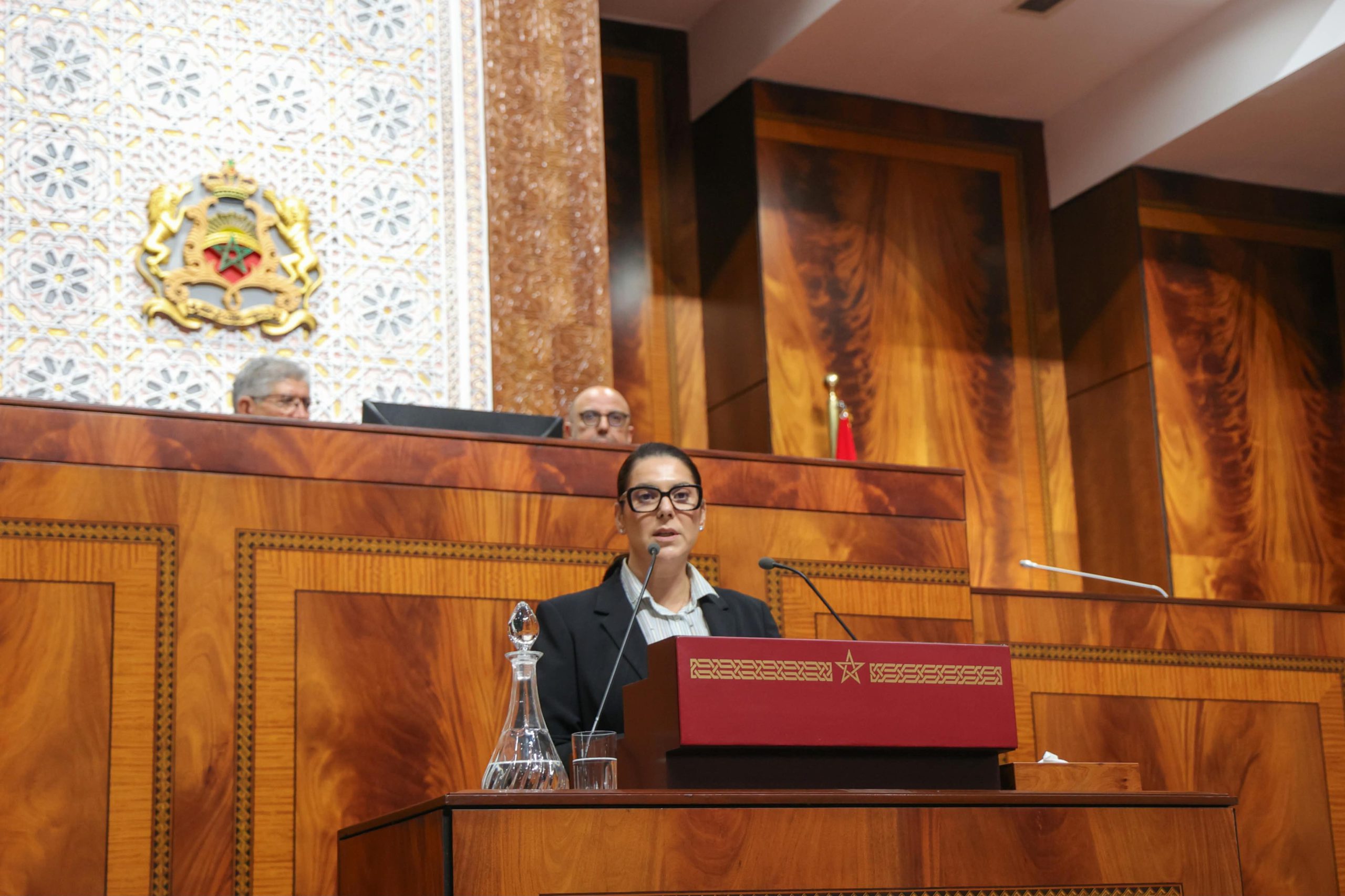
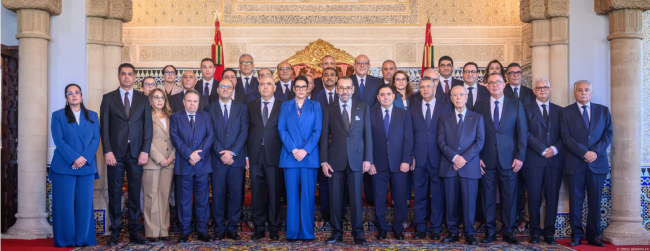
El Mansouri described the programme as a political and institutional contract grounded in royal confidence, the voters’ mandate and parliamentary accountability. Her four-party coalition — PAM, Istiqlal, USFP and PPS — holds 207 seats, above the 198 required for an absolute majority.
The seven pillars cover the rule of law; action against corruption and rent-seeking; national identity and social cohesion; dignified living and the social state; youth inclusion; strategic sovereignty and Morocco’s international reach; and an economy capable of financing those goals.
The clearest commitments are social. The government plans to raise direct social assistance from 500 to 1,000 dirhams by the end of its term, while refining eligibility around households’ actual income. It also proposes gradually increasing the minimum main pension to 3,000 dirhams per month across pension systems. Widows would receive 100% of a deceased spouse’s main pension instead of the current 50%, while preserving the rights of orphans and other beneficiaries.
Other pledges include wider unemployment compensation, gradual personal-income-tax reform to improve net pay and targeted assistance with electricity bills. These measures are politically significant, but their credibility will depend on budget laws, implementing regulations and published timelines.
On governance, El Mansouri pledged to criminalise illicit enrichment, strengthen mandatory asset declarations and sanction conflicts of interest. The real test will be the wording of the legislation, independent oversight and equal enforcement.
What does it say about Moroccans abroad?
The programme explicitly calls for stronger ties with Moroccans around the world, placing the diaspora within its identity, cohesion and national-outreach agenda. That recognition matters: the MRE question was not omitted.
Yet the official and institutional accounts available on the evening of October 19 do not identify numerical targets or deadlines for direct diaspora representation, overseas voting, evaluation of the electronic proxy system, consular modernisation, property protection or a genuine one-stop service for diaspora investors and professionals.
The economic agenda — industry, AI, digital transformation, renewable energy and regional investment — can create a substantial role for Moroccan entrepreneurs, researchers, doctors and engineers abroad. But opportunity is not a policy until access, funding, temporary-return schemes, knowledge transfer and administrative accountability are specified.
MMNEWS therefore reads the MRE passage as an opening rather than a completed diaspora policy. The government should publish a dedicated roadmap with budgets, annual indicators and parliamentary reporting. It should also release the electronic-proxy figures from the legislative elections: proxies created, votes actually cast and the system’s measured effectiveness.
For a community numbering more than five million people, “strengthening ties” cannot stop at culture, remittances and summer reception campaigns. It must include citizenship, representation, investment, science, efficient public services and legal protection.

💬 Comments (0)
No comments yet. Be the first!
✏️ Leave a comment