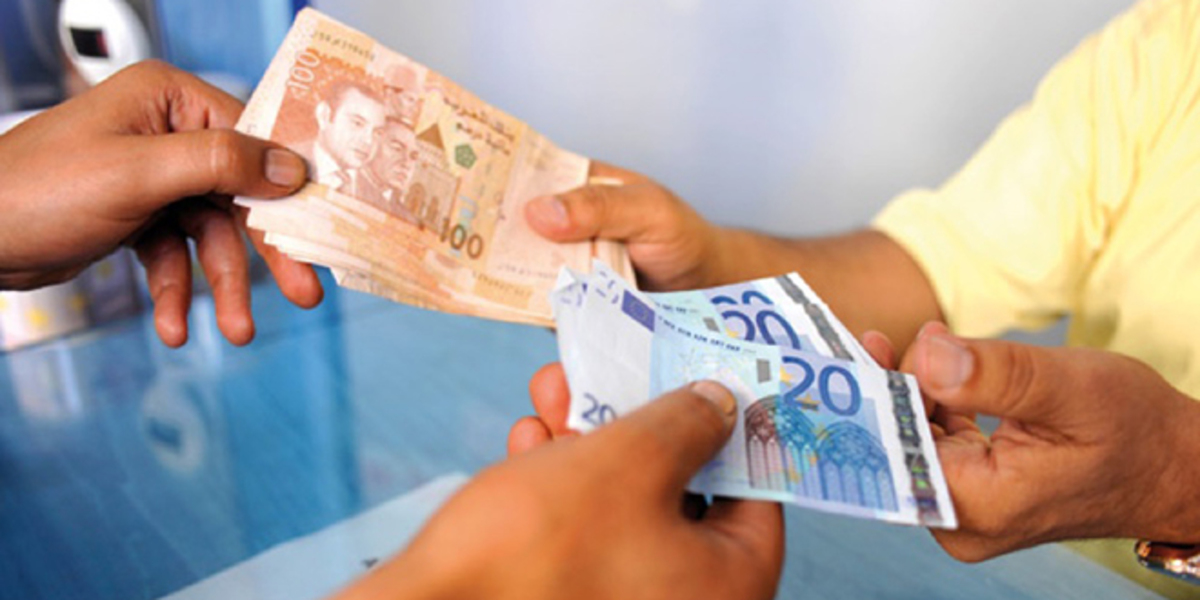
Moroccans around the world continue to play a major role in the Kingdom’s economic resilience. Provisional data from Morocco’s Foreign Exchange Office show that MRE remittances totalled MAD 89.215 billion in the first eight months of 2026, compared with MAD 81.846 billion over the same period in 2025.
That is an increase of MAD 7.369 billion, or 9%. It is particularly significant after the slight decline recorded in 2025 and places remittances at their highest January-to-August level in the Office’s 2022-2026 series.
| January-August | MRE remittances |
|---|---|
| 2022 | MAD 72.728 billion |
| 2023 | MAD 77.975 billion |
| 2024 | MAD 82.196 billion |
| 2025 | MAD 81.846 billion |
| 2026 | MAD 89.215 billion |
The cumulative figure has risen by nearly MAD 16.5 billion since 2022, an increase of about 22.7%. Remittances are no longer a short-lived surge associated with one exceptional year. They have become one of Morocco’s most regular and dependable sources of external income.
Direct support for Moroccan households
The first impact is felt inside family budgets. Transfers are commonly used for daily expenses, housing, healthcare, education and support for elderly relatives.
In that sense, remittances function as a private solidarity system. They increase the disposable income of recipient households and help families absorb unemployment, illness, drought and rising living costs.
That social role also has an economic effect. Money spent on food, transport, school fees, home improvements and services circulates through the domestic economy. It supports shops, craftspeople, healthcare professionals, schools and many small local businesses.
The World Bank has underlined the ability of remittances to sustain consumption, soften economic shocks and keep some businesses operating. Morocco’s High Commission for Planning has likewise identified transfers as an important component of the balance of payments and of the wider relationship between migration and development.
Foreign currency without new public debt
The second benefit is macroeconomic. Remittances bring foreign currency into Morocco and help the economy finance imports, including energy, grain, machinery and industrial components.
Unlike external borrowing, these inflows do not create a repayment obligation for the Moroccan state. They are therefore especially valuable for an economy that must pay for substantial imports while maintaining its international financial capacity.
Together with tourism receipts, exports and foreign investment, MRE transfers contribute to Morocco’s foreign-currency position. Bank Al-Maghrib placed official reserve assets at MAD 503 billion on 18 September 2026, 21% higher than a year earlier.
It would be wrong to attribute that increase to remittances alone. But they form a substantial part of the broader external inflows that reinforce the country’s financial position.
Stronger reserves provide protection against international price shocks, energy-market tensions and periods of global uncertainty. They also support confidence in Morocco’s capacity to pay for imports and meet foreign-currency commitments.
More than MAD 7 billion in additional inflows
The extra MAD 7.369 billion received compared with the first eight months of 2025 represents a significant injection into the economy.
Not all of it is spent immediately, and not every purchase benefits domestic production. Some money is saved and some is used to buy imported goods. Yet a substantial share supports household consumption, construction, services and commerce.
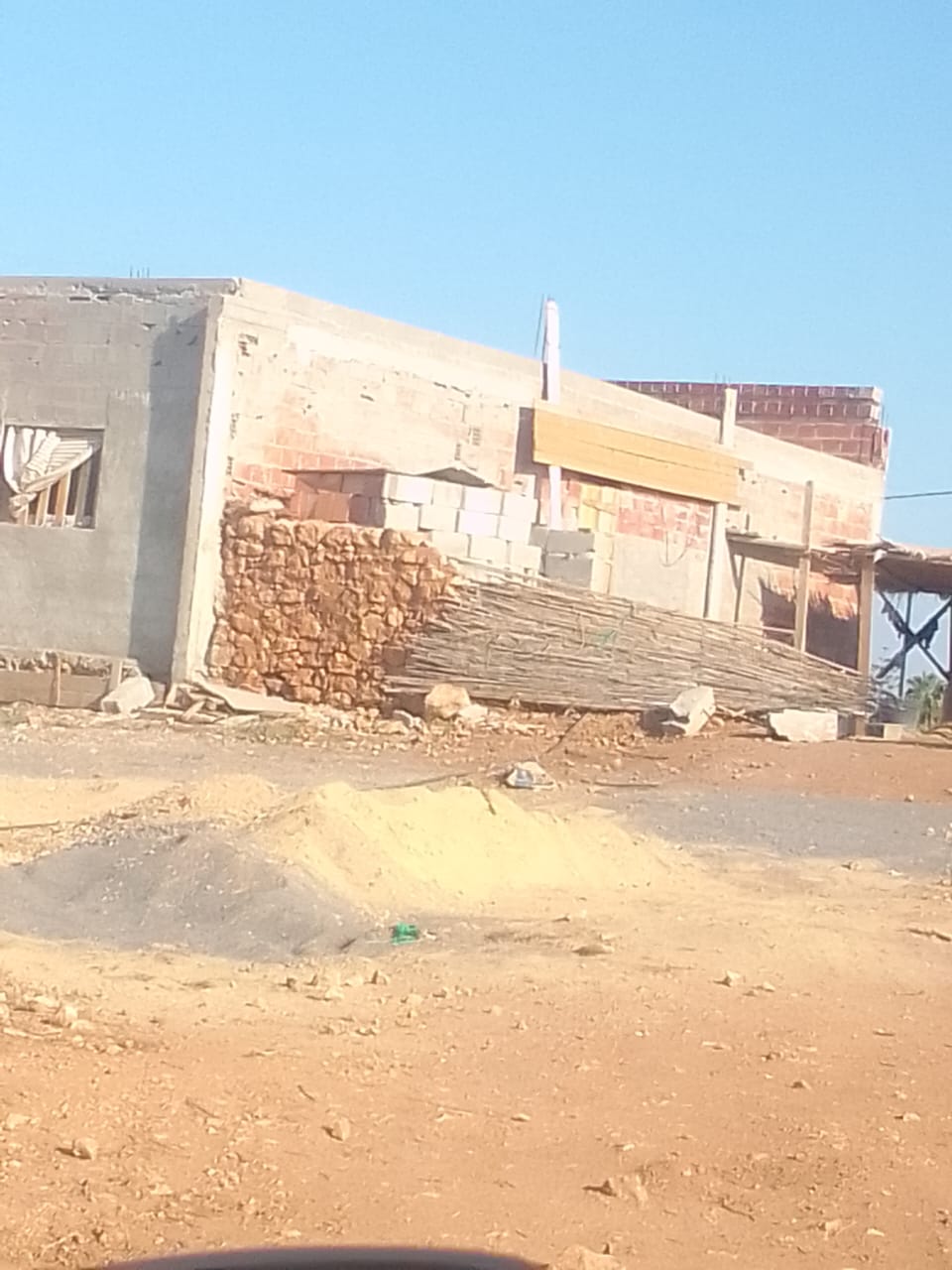
That demand can be particularly important in smaller cities, rural communities and regions with a long history of emigration. Transfers may finance home renovation, school expenses, equipment purchases or small businesses that would struggle to obtain conventional credit.
The World Bank expects Morocco’s economy to grow by 4.2% in 2026, supported by investment and domestic demand. Remittances are not the only engine of that growth, but they reinforce one of its pillars: the spending capacity and financial resilience of households.
A stabilising force, not merely a summer flow
The rise recorded at the end of August coincides with the summer return of the diaspora, but MRE transfers are no longer confined to the Marhaba season.
Their consistency gives them a particular economic value. International investment can shift rapidly with market conditions, while exports depend heavily on global demand. Family remittances are rooted in human ties and responsibilities that are often maintained even during economic downturns.
This relative stability helps cushion shocks. It does not, however, make transfers immune to weaker employment or declining purchasing power in major host countries, particularly in Europe.
The strong 2026 performance therefore reflects both the depth of the diaspora’s connection to Morocco and its financial capacity. It also shows why the Moroccan economy remains attentive to conditions in the countries where its citizens live and work.
The still-underused investment potential
The scale of these flows naturally raises a question: how can more of the diaspora’s savings support productive investment?
Remittances are private money belonging to families. They should never be treated as public funds or as a substitute for government policy. Yet there is significant potential to channel a voluntary share of MRE savings towards business creation, tourism, modern agriculture, healthcare, technology, cultural industries, the social economy and renewable energy.
Patriotic appeals are not enough. Diaspora investors need clear procedures, reliable information, predictable administrative deadlines, legal protection and effective appeal mechanisms. They also need credible projects and tools that allow them to monitor investments from abroad.
Lower transfer costs and wider use of secure digital services could also leave more money in the hands of families. World Bank research in Morocco found continued reliance on cash-based transfers and substantial differences in fees between channels. Greater price transparency and financial education could encourage lower-cost transfers, savings products and properly regulated investment solutions.
Recognition must go beyond praise
The MAD 89.215 billion transferred by the end of August represents an extraordinary act of economic solidarity. But MRE families should not be expected to compensate for weaknesses in employment, social protection or regional development.
A transfer can support a household, fund education or launch a small business. It cannot replace the structural reforms and public investment required to create jobs and reduce inequality.
The most meaningful recognition would therefore be to protect senders and recipients, reduce transfer costs, improve financial services and offer Moroccans abroad trustworthy investment channels when they choose to use them.
By sending more than MAD 89 billion in eight months, the diaspora has again demonstrated its role as a financial and social pillar of Morocco. The task now is not simply to celebrate the total, but to build the confidence and instruments capable of turning this solidarity into more sustainable value for families, regions and the national economy.

💬 Commentaires (0)
Aucun commentaire. Soyez le premier !
✏️ Laisser un commentaire