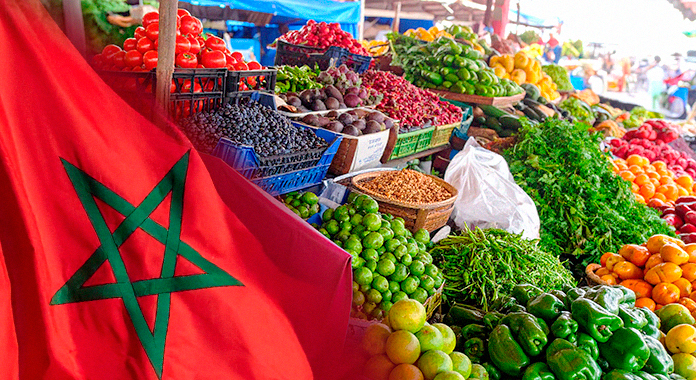
Speaking to Medi1 on November 7, foreign trade official Omar Hjira announced a gradual resumption of vegetable exports to African markets from November 9, following a temporary suspension affecting selected products. Domestic supply assessments will determine which products may be exported.
The available evidence does not establish a blanket ban on all Moroccan fruit and vegetable exports. Reuters reported on November 5 that the tomato restrictions concerned African destinations, while shipments to Europe were exempt.
There is also a distinction between stopping shipments and suspending new export authorisations. Reporting based on industry sources in Médias24 describes the latter mechanism for African markets. Without the full administrative instructions, businesses should avoid assuming that every product and every shipment faces identical conditions.
For households, the meaningful test is the price at the shop or market stall. Keeping more produce available domestically may ease supply pressures, but retail prices also reflect harvest volumes, transport costs and distribution. A policy announcement alone cannot demonstrate a sustained improvement in affordability.
Moroccan entrepreneurs abroad face a different practical question: can suppliers still meet agreed delivery dates? Before confirming a shipment, importers should ask their supplier and customs representative to check the product’s status, destination and paperwork. A phased reopening should not be treated as unconditional clearance.
As of November 8, MMNEWS has not located an accessible official document providing a complete list of restricted or newly authorised products. The ministerial statement establishes the announced direction; implementation still requires verification. The next reporting priority is therefore to establish what actually moves across the border and whether domestic consumers see a measurable benefit.



💬 Comments (0)
No comments yet. Be the first!
✏️ Leave a comment