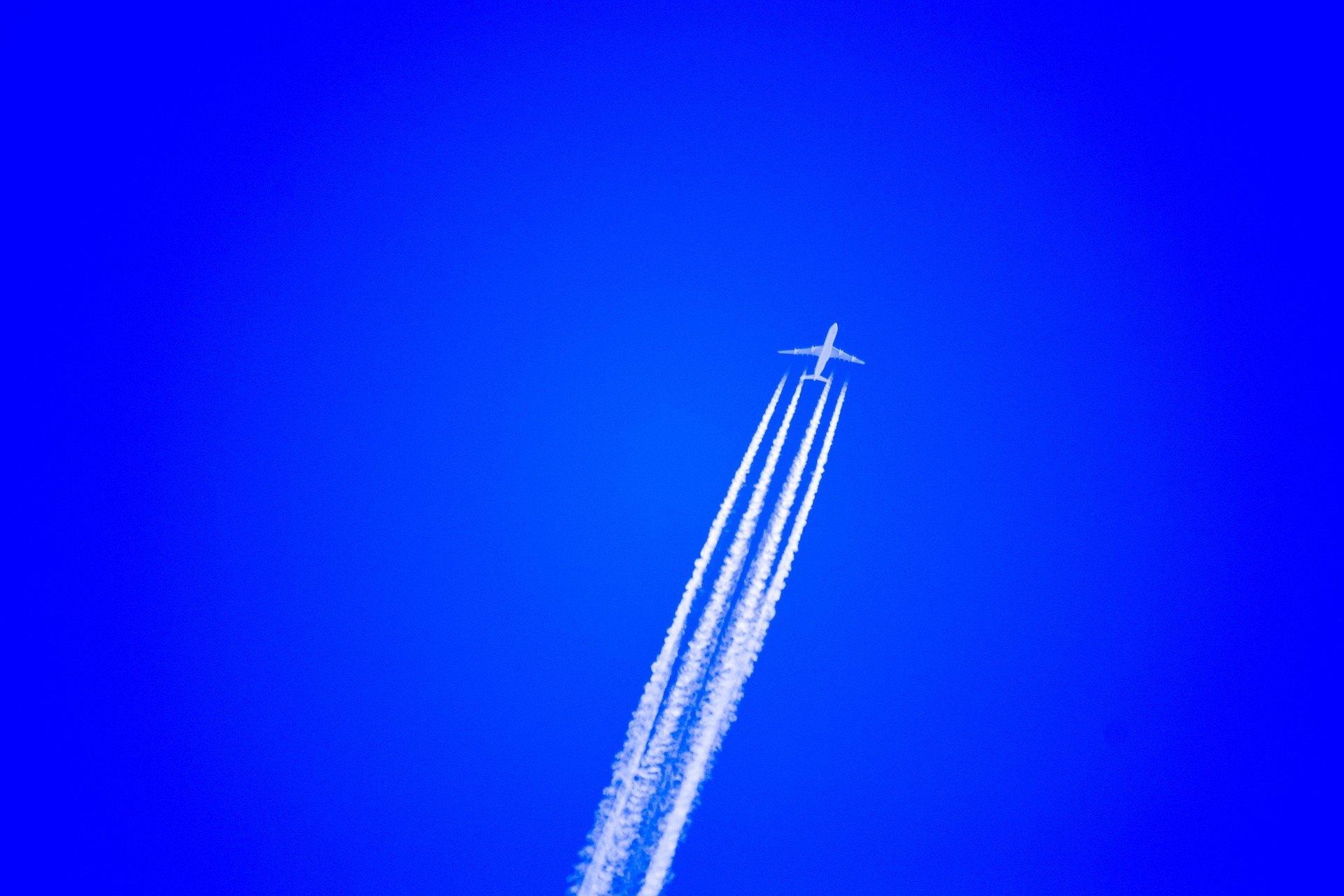
Yet the summer of 2026 may require more planning than usual.
A combination of international health alerts, geopolitical tensions in the Middle East, rising jet fuel prices and pressure on airlines could make travel to Morocco more expensive, less predictable and more competitive during the peak season. This does not mean that holidays are in danger. It means that Moroccan families abroad may need to prepare earlier, compare options more carefully and avoid last-minute decisions.
A health alert, but not the main travel concern
The recent Hantavirus cluster linked to a cruise ship has attracted international attention. European health authorities have been monitoring the situation, and the European Centre for Disease Prevention and Control has described it as a rapidly evolving event linked to passengers and crew from several countries.
However, for most travelers, hantavirus is not the main factor that could disrupt summer holidays. Health agencies have emphasized targeted monitoring and public health follow-up for those directly connected to the outbreak. The UK reported that several people connected to the cruise ship had tested negative and were continuing precautionary isolation at home.
For Moroccan travelers, the message is simple: follow official health advice, remain informed, but avoid unnecessary panic. The bigger and more immediate issue for summer travel is likely to be transport costs.
The real pressure point: jet fuel
Air travel is heavily exposed to fuel prices. When jet fuel rises sharply, airlines face higher operating costs. Those costs can quickly affect passengers through higher fares, reduced routes, added fees or fewer available seats.
This year, the situation is particularly tense. Reuters reported that the war in the Middle East has pushed jet fuel prices far above pre-crisis levels, with Air New Zealand warning that fuel costs had risen from around 85–90 dollars per barrel before the conflict to a range of 160–230 dollars.
Reuters also reported that the surge in fuel prices has forced several airlines to raise fares and revise their financial outlooks, with fuel accounting for up to a quarter of operating expenses in the sector.
For Moroccan families abroad, this matters directly. A price increase of 100 or 150 euros per ticket may be manageable for one traveler. For a family of four or five, it can become a major financial burden.
A special concern for Moroccans in the USA and Canada
For Moroccans living in North America, the situation may be even more sensitive. Flights from the United States and Canada to Morocco are long-haul journeys, often involving higher fuel exposure and, in many cases, connecting flights through European hubs.
Reuters reported that the rise in jet fuel prices has already added more than 100 dollars to the average fuel cost per passenger on long-haul flights leaving Europe, according to a study cited in April.
This is especially important for Moroccan families traveling from New York, Washington, Boston, Miami, Montreal or Toronto. Even when direct flights are available, prices during July and August are often already high. If fuel costs remain elevated, the financial gap between early booking and last-minute booking could become significant.
For many Moroccan-Americans and Moroccan-Canadians, the trip home is not optional. It is tied to family reunions, weddings, religious events, children’s connection to the country and sometimes administrative or property matters. But in 2026, the decision may require earlier budgeting and more flexible travel dates.
For Moroccans in the UK: watch capacity and extra charges
Moroccans in the United Kingdom face a different but equally important issue: airline capacity and pricing discipline. The UK market is highly dependent on low-cost and leisure airlines, especially for families traveling during school holidays.
Recent reporting in the British press has pointed to flight cancellations and extra charges linked to higher fuel costs, while Reuters has reported that airlines are already adjusting fares and capacity because of the fuel shock.
For Moroccan families traveling from London, Manchester, Birmingham or other UK cities, the key risk is not necessarily the absence of flights. It is the combination of high demand, school holiday pressure, luggage fees, route adjustments and limited flexibility.
In practical terms, this means one thing: the cheapest seats may disappear quickly, and the real final price may be much higher once baggage, seat selection and schedule constraints are included.
Low-cost airlines: useful, but vulnerable
Low-cost airlines have transformed travel between Europe and Morocco. They have made it easier for Moroccan families to travel more often, to use regional airports and to reach cities beyond the biggest hubs.
But the low-cost model is sensitive to shocks. It depends on full aircraft, fast rotations, tight margins and strict cost control. When fuel becomes expensive, airlines may protect profitability by cutting less profitable routes, reducing frequencies or increasing ancillary fees.
Reuters reported that Ryanair had warned that continued Middle East conflict could create jet fuel supply disruption and potentially affect summer flights, with constrained airports most exposed.
For MRE travelers, this means the best strategy is not to panic, but to avoid assuming that prices and routes will remain stable until the last minute.
Morocco remains a destination of the heart — but also of planning
Despite these pressures, Morocco remains one of the strongest summer destinations for its diaspora. The emotional bond is powerful. Families want to return, children need to maintain their connection with the country, and local economies across Morocco benefit from the arrival of Moroccans abroad.
The question is not whether Moroccans abroad will travel. Many will. The real question is under what conditions: at what price, with which airline, through which airport, and with how much flexibility.
For some families, the answer may be to book earlier. For others, it may be to compare nearby airports, consider flying midweek, avoid the most expensive August dates, or combine air travel with ferry options from Europe.
For North American travelers, the key may be to compare direct and connecting flights early. For UK travelers, it may be to check the total price including luggage and avoid relying only on the advertised base fare. For European families, especially those in France, Spain, Belgium, Italy and the Netherlands, the car-and-ferry option may remain attractive, but only if ferry costs and road expenses are calculated realistically.
Practical advice for MRE travelers
Moroccans abroad planning to travel to Morocco this summer should consider booking earlier than usual, especially for July and August. They should compare several departure airports, check baggage policies carefully, and prioritize tickets with reasonable change conditions when possible.
Families should also follow official health guidance, airline updates and port information, particularly if they travel with children, elderly relatives or people with medical needs.
The most important advice is financial: calculate the full cost of the trip, not just the ticket price. Baggage, airport transfers, ferry crossings, fuel, hotels on the road and last-minute changes can significantly increase the final budget.
An expensive summer, not a cancelled summer
Summer 2026 is unlikely to break the bond between Morocco and its diaspora. But it may test families’ budgets and planning habits.
The hantavirus alert requires awareness, not fear. The more immediate concern is the pressure on transport: fuel prices, airline costs, route decisions and peak-season demand.
For Moroccans abroad — especially those coming from the USA, Canada and the UK — the best approach is clear: prepare early, stay flexible, and treat this year’s journey not as a routine booking, but as a trip that deserves real anticipation.
Morocco will still be waiting. The challenge this summer may simply be getting there at the right price, on the right route, and with fewer surprises.

💬 Comments (0)
No comments yet. Be the first!
✏️ Leave a comment